November 2026
M T W T F S S
 1
2345678
9101112131415
16171819202122
23242526272829
30  

Author: Brandon Herrera

Top 5 Most Common Medical Malpractice Claims

Medical malpractice lawyers handle all kinds of cases in which a medical practitioner or facility caused harm to one of their patients. Medical science continues to advance. As such, patients put their trust in healthcare professionals hoping they can diagnose, treat, and care for them with the utmost diligence.

Most healthcare providers meet or exceed these expectations. However, there are instances where things go wrong. The consequences can be life-altering.

When a healthcare provider deviates from the standard of care, causing harm, you have the right to seek fair compensation for your injuries. Medical malpractice lawyers can help.

In this blog, we explore the 5 most common medical malpractice claims. If any of these situations has happened to you, consult with an attorney right away.

1 – Misdiagnosis and Delayed Diagnosis

Misdiagnosis and delayed diagnosis are common forms of medical malpractice.

A 2022 study from the U.S. Department of Health and Human Services’ Agency for Healthcare Research and Quality discovered that more than 7 million incorrect diagnoses are made in U.S. emergency rooms alone each year.

Misdiagnosis happens when a healthcare provider inaccurately identifies a patient’s medical condition. They can diagnose them with a different ailment than they have, or may fail to identify the medical condition, leading to inappropriate treatment and unnecessary procedures that can cause harm or make the condition worse.

A delayed diagnosis happens when a healthcare provider eventually makes the correct diagnosis but does so later than they reasonably should have connected the dots to properly identify a condition. Making a patient wait too long for appropriate treatment can worsen a condition or, in some cases, cause death.

Factors in misdiagnosis and delayed diagnosis

Several factors contribute to a medical professional misdiagnosing a condition or delivering a delayed diagnosis. Among the most common include:

  • Errors interpreting diagnostic tests.
  • Failure to order the appropriate tests.
  • Inadequate patient medical history.
  • Overlooking or dismissing symptoms.

Medical malpractice lawyers must prove the healthcare practitioner deviated from the standard of care to win a medical malpractice suit.

Surgeons perform a procedure on a patient in the operating room.

2 – Surgical Errors

Surgical errors are another common reason for medical malpractice claims in New Mexico and across the U.S. Proving your surgeon made a grave error in judgment during a procedure is challenging at times. It requires a strong cause built by your attorney through a thorough investigation.

To establish surgical malpractice, your medical malpractice lawyer may rely on the following types of evidence to support your case.

  • Standard of care. The first step in providing a surgical error is to establish the standard of care that should have been provided in your specific situation. Demonstrating what a competent surgeon with similar training and experience would have done often requires an opinion from experts with the same skillset.
  • Deviation from standard of care. Next, you must show how the surgeon deviated from the standard of care. It’s not enough to uncover the deviation. You must demonstrate it occurred because of negligence or carelessness.
  • Causation. Finding a direct link between the surgical error and your injuries or harm is the next step. An expert’s evaluation may again be necessary for this step.
  • Documentation of injury or harm. Your attorney must gather and present comprehensive documentation and evidence that proves your injury or other harm was from the surgeon’s actions (or inactions).

Once all pieces of your case are in place, your attorney can file a medical malpractice claim on your behalf.

3 – Medication Errors

More than 100,000 reports of medication errors flood the offices of the U.S. Food and Drug Administration each year. These errors cause the deaths of between 7,000 and 9,000 people.

The steps for proving medication errors are like those of establishing a surgical error caused your injuries or other harm.

First and foremost, your attorney must establish that a duty of care existed between you and the healthcare provider who made the medication error. Whether it’s a doctor, a nurse, or a pharmacist, there must be a direct correlation between their involvement and the wrong medication being prescribed or dispensed.

Next comes establishing a standard of care and the deviation from that norm. An expert from a similar medical field is usually required for this stage of the process.

Finally, your attorney must prove causation between the medication error and your injuries.  

A pregnant woman is hooked up to a monitoring device during labor and delivery.

4 – Birth Injuries

Newborns are among the youngest clients of medical malpractice attorneys. Labor and delivery mistakes are unfortunately common in the U.S.

According to the U.S. Centers for Disease Control and Prevention (CDC), the injury rate per 1,000 births is 33. Among the most common types of birth injury is brain damage from a lack of oxygen during delivery.

Proving a birth injury is complex and requires a thorough investigation that includes reliance on experts with extensive experience in the birthing process, including prenatal, delivery, and post-natal care of both mothers and their babies.

Medical malpractice lawyers proceed with the utmost care when newborns are involved. They may try to settle the case outside of court with the healthcare provider’s insurance company. If negotiations are unsuccessful, then a medical malpractice trial is the next step.

5 – Failure to Obtain Informed Consent

Obtaining informed consent from patients before performing invasive medical procedures is a legal obligation of healthcare providers and facilities. When you’re not properly educated about the risks, benefits, and alternatives associated with a medical procedure or treatment, the medical provider has violated your rights.

Informed consent acknowledges your autonomy and the right to make educated decisions about your healthcare options.

Here’s how it’s supposed to work.

A medical practitioner explains the treatment or procedure in layman’s terms, so you understand what happens if you agree to go through with it. They also must outline any side effects and alternative treatments (often less invasive) and provide expected outcomes for both.

After you’ve received the information and had the opportunity to ask questions, your physician or the healthcare facility may ask you to sign forms indicating you were informed about your choice before you made it.

Physicians who skip this step can find themselves facing a medical malpractice lawsuit.

Medical malpractice lawyers you can trust

Choosing medical malpractice lawyers to represent you is an important decision that can affect the outcome of your case. Work with attorneys with a proven history of success for their medical malpractice clients.

Ready to schedule a no-obligation consultation to discuss your case? Give us call today to get started.


Want to Win Your Medical Malpractice Lawsuit? Evidence Matters.

Medical malpractice lawyers skilled in their craft advise their clients on the importance of gathering the right kind of evidence to support their cases.

Providing effective proof of your claims can mean the difference between a fair settlement or judgement and one that leaves you without adequate compensation for your injuries.

Evidence matters. In this blog, we answer some of the most common questions about which kind of documentation can help your case, including:

How does early documentation help your case?

Documenting events, injuries, treatments, and conversations about your case as soon as they occur helps medical malpractice lawyers build a strong case.

Early documentation helps to establish a clear timeline, ensuring all relevant information is recorded accurately and preserved for use in your case.

Gathering eyewitness testimony while the events are still fresh in their minds yields the best results. The longer you wait to get this information, the more likely it is that memory lapses or inaccuracies creep in, tainting your claim.

Most medical malpractice attorneys advise their clients on the importance of gaining access to all relevant information early in their cases.

Doing so preserves the evidence, establishes a timeline, ensures accuracy, and supports the legal process. Not to mention, it plays a pivotal role in determining the strength of your case and can significantly impact the outcome.

An expert witness testifies at the request of medical malpractice lawyers to prove their client's case.

What are the most effective types of evidence?

Knowing it’s important to secure documents early in your case is different than knowing which types of evidence are the most effective at supporting your claims.

If you want to bolster your medical malpractice claim, your attorney is likely to suggest focusing on certain types of evidence. They include:

  • Medical records and documents. Comprehensive and accurate medical records serve as the backbone of any medical malpractice case. They include patient charts, treatment plans, test results, surgical notes, and other documentation related to your injuries. Medical records can provide crucial evidence about your condition, treatment, and any deviations from the standard of care.
  • Eyewitness testimony. Statements from anyone who witnesses the events in question or were present during medical procedures provide powerful evidence. Nurses, healthcare providers, and even family members who were in the room at the time of the alleged malpractice can add weight to your claim.
  • Expert witness testimony. Expert witnesses, often medical professionals with expertise in the same field as the defendant, can provide invaluable testimony. They can evaluate your medical records, explain complex medical issues to juries, and offer opinions on whether the healthcare provider’s actions deviated from the standard of care and whether that nonconformity caused harm.
  • Physical evidence. If there are physical objects related to the case – medical devices, surgical instruments, biological samples – preserving them for presentation can help you prove your claim.
  • Previous lawsuits or disciplinary actions. Medical malpractice lawyers investigate whether the medical provider or healthcare facility received previous disciplinary action or were the defendants of similar lawsuits. If they were, you can use it to show a pattern of behavior that puts patients at risk.
  • Informed consent documentation. Your informed consent is required before you receive any medical treatment or surgical procedures. If you were not made aware of the potential risks associated with your care, your attorney can use that information to prove a breach of duty of care.

How do you secure medical records and documents?

Securing your medical records to support a medical malpractice case builds a strong legal argument. You have a right to request your information from medical practitioners and healthcare facilities. Be advised they can charge you fees for making copies of the items before handing them over.

One of the smartest moves you can make to help the process go more smoothly is to consult a medical malpractice attorney. They can guide you through the process and make sure you understand which documents bolster your case.

Your attorney, with your permission, can request your medical records on your behalf. Sometimes, it’s easier to get them promptly when a lawyer is asking for the information.

Steps involved in the process include:

  • Notifying relevant parties in writing. Request copies of your medical records and other related documents, keeping a copy of your communication with the healthcare provider or facility. If you’re going through your attorney to get the information, they will submit their request on legal letterhead or from their official practice email account.
  • Sign authorization forms. Your attorney requires you to fill out authorization forms that allow them to access your medical records and communicate with healthcare providers and facilities on your behalf.
  • Identify relevant records. Work with your medical malpractice lawyer to identify which medical records and documents bolster your case. Some of the most common include doctor’s notes, charts, test results, treatment plans, billing records, and any correspondence from the medical providers involved in the medical malpractice claim.
  • Gather and organize documentation. Once you have the requested information, organize it systemically. Create digital and physical filing systems to ensure easy access. Make sure you have backups to prevent loss or damage.
  • Maintain the chain of custody. It’s important to establish the authenticity of the documents in court, so you’ll need to keep track of them. Note who has access to the physical copies and when.
  • Preserve confidentiality. Ensure that you and your medical malpractice lawyers treat all medial records and documents with the utmost confidentiality to protect your privacy and comply with healthcare privacy laws.

What role do expert testimonies and opinions play?

Securing expert testimonies and opinions plays a crucial role in the success of your medical malpractice case. Typically provided by medical experts with specialized knowledge and experience in the relevant medical field, they can help establish a standard of care and whether a breach of that care occurred.

Besides evaluating the actions of the healthcare provider or facility in question, experts can also:

  • Providing causation by establishing a direct link between the healthcare provider’s or facility’s actions (or lack thereof) and your injuries. They can explain how the breach of care led to your harm.
  • Educating the jury about complex medical terminology and procedures by breaking them down into simpler terms to help the jury grasp key issues and make informed decisions.
  • Rebutting defense arguments from legal experts testifying on behalf of the medical practitioner or facility responsible for your injuries.
  • Influencing settlement negotiations by providing strong opinions that favor your case and make the defendant’s medical malpractice insurance company eager to avoid a court trial.
  • Supporting damages claims that justify the amount you’re requesting to settle the case in or out of the courtroom.
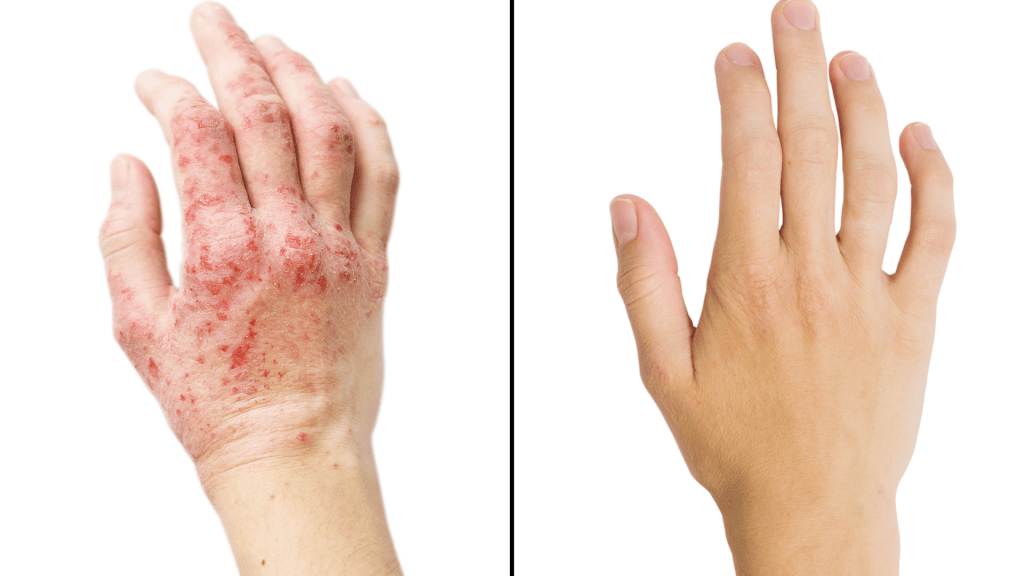
Before and after photos of a man's hand. The after photo has a rash.

How can photos and video support your claim?

Photos and videos are powerful tools to support your medical malpractice claim. They visually illustrate your condition, any treatment you receive, and any resulting injuries or complications.

Some of the most effective ways to use photos and videos include:

  • Documenting your condition before and after treatment. Photos or videos taken before medical treatment can establish your baseline condition. This is vital if your medical issue is a visible physical condition.
  • Illustrating medical procedures and errors. If the alleged malpractice happened during a surgical procedure, photos or videos taken during the surgery (if available) can provide insight into what happened. Visual evidence also can show whether medical devices and equipment were used incorrectly or deficiently.
  • Counteracting denials and defenses. Attorneys for medical providers and facilities sometimes claim a patient’s condition was pre-existing. Photos and videos can disprove that defense tactic.

It’s important to verify that any photos or videos used as evidence are accurate, properly labeled, and legally obtained.

What’s the best way to preserve communication records?

Preserving communication records for a medical malpractice lawsuit is essential. They provide critical evidence to support your case.

Make sure you work with a medical malpractice lawyer who respects and follows best practices for preserving communication records effectively, including:

  • Identifying relevant communications, including emails, letters, texts, voicemails, and other forms of communication relating to your medical treatment and interaction with healthcare providers.
  • Creating a documentation system that includes a dedicated folder on your computer or external hard drive. Keep a physical file system as well as a back-up. Use clear, descriptive file names or labels for each document.
  • Avoiding alterations or deletions of any communication records, even if you believe they may be harmful to your case. Tampering with evidence has serious legal consequences.
  • Backing up digital records and storing them securely on a separate device such as an external hard drive or the cloud.
  • Preserving metadata associated with electronic communication records to establish authenticity and a timeline for the communications.
  • Taking screenshots of text messages or exporting them from your mobile device to preserve the conversation thread. Be sure to save both sides of the conversation if possible.
  • Complying with preservation orders from the defense if you receive a preservation order or court subpoena for the records.

Your medical malpractice attorney can guide you through each of these steps to ensure you follow best practices to the letter.

How do you find medical malpractice lawyers to represent you?

Finding medical malpractice lawyers to represent you can feel like a daunting task. However, it’s one of the most important decisions you’ll make about your medical malpractice claim.

Research and compile a list of possible attorneys based on personal recommendations, online searches, and information from the local or state bar association. Compare their qualifications and experience, ensuring they specialize in medical malpractice cases and have a proven track record of success.

Then, schedule consultations with your top choices. During your session, evaluate communication and rapport. You’ll also want to consider fee structures and ask to see a standard client contract before deciding on an attorney.

Above all else, trust your gut. Choose an attorney who best fits your case and with whom you feel the most comfortable.

How Medical Malpractice Lawyers Negotiate with Insurance

Medical malpractice lawyers are a valuable resource for navigating through the complexities of a medical malpractice claim in New Mexico. One of the biggest headaches you might encounter if you need to sue a medical provider or healthcare facility is their insurance company.

Insurance companies play a significant role in handling medical negligence cases for their customers. Their involvement is typically tied to a healthcare provider’s professional liability insurance. It’s designed to cover individual practitioners and healthcare facilities in the event they’re sued for malpractice.

It’s the duty of an insurance company to provide financial protection, claim evaluation, negotiation, and settlement offers for their clients. They may even have to provide support if a medical malpractice claim ends up in the courts.

In our latest blog, we explore the ways in which medical malpractice lawyers negotiate with insurance companies to ensure you get fair compensation for your injuries. We answer some of the most common questions, including:

How do medical malpractice lawyers engage with insurance companies?

Medical malpractice lawyers are your first line of defense against insurance companies for medical providers and healthcare facilities. When you’re injured because of medical negligence, you have a right to fair compensation.

Insurance companies for doctors and hospitals can quickly become roadblocks in your pursuit of adequate reparations for your injuries. If you try to engage them yourself, they’re likely to exploit your inexperience in such matters.

Medical malpractice lawyers ensure your rights are protected by engaging with insurance companies in several ways.

  • Consulting on the case. One of the first things you should do upon discovering you’re a victim of medical malpractice is to consult with an attorney with experience and expertise in these kinds of cases. Never talk to the insurance company or another representative of the at-fault medical provider without first consulting a medical malpractice lawyer.
  • Gathering evidence. Once you hire an attorney for your case, they’ll begin collecting all relevant medical records, documentation, and other evidence that supports your claim of negligence. They may consult with medical experts to review your case and provide opinions on whether malpractice occurred.
  • Preparing a demand letter. If the evidence supports your claims, the next step is for your attorney to send a demand letter to the at-fault party’s legal counsel. The document outlines your injuries, damages, and alleged negligence of the healthcare provider or facility. Sometimes your attorney may include supporting evidence to encourage a speedy settlement.
  • Negotiating a settlement. Most medical malpractice lawyers push for a settlement because it’s easier on their clients than enduring a trial.
  • Representing you in court. If negotiating a settlement is unsuccessful, your attorney begins preparing for trial.
A man sits in a wheelchair looking out a patio door. He's waiting to consult with medical malpractice lawyers.

What factors influence negotiations with insurance companies?

Negotiating with insurance companies in medical malpractice cases is a complex process. Several factors influence the outcome of any talks between your medical malpractice lawyer and representatives for the at-fault party.

Both sides consider these variables when working toward a settlement (or ending up in a courtroom).

  • The strength of liability evidence. Medical malpractice cases are built on the clarity and strength of evidence that supports your claim of medical negligence. Medical records, expert opinions, and documented breaches of standard of care put pressure on the at-fault party to settle.
  • The severity of injuries and damages. The extent and seriousness of your injuries impacts negotiations significantly. Severe injuries that require ongoing medical treatment and cause substantial pain and suffering often lead to higher settlement demands.
  • The potential jury verdict. Sometimes insurance companies for at-fault parties go to court, only to decide the risk outweighs the reward once the trial gets underway. It’s not uncommon for insurance company representatives to offer a settlement after a trial has begun if they think the court is likely to award more in damages than your attorney requested.
  • The costs of litigation. Insurance companies may decide it’s less costly to meet your settlement demands than endure a medical malpractice trial.
  • The insurance policy limits. The limits of the healthcare provider’s liability insurance policy impact the maximum amount you can receive in a settlement. If the damages exceed the policy limit, it can complicate negotiations and potentially lead to a lawsuit against the provider personally.

Other factors influence negotiations, but these are the most pressing. Your medical malpractice lawyer can explain all the considerations during your consultation.

How do lawyers determine the value of a medical malpractice claim?

Determining the value of a medical malpractice claim is a complex process that requires the thorough analysis of several factors. Medical malpractice lawyers use their expertise to assess the potential damages and losses you’ve suffered because of medical negligence.

Here’s how New Mexico medical malpractice attorneys typically determine the value of your claim.

  • Medical expenses. Your attorney calculates your past, current, and future medical expenses from your injuries. They include the costs for hospital stays, surgeries, medications, rehabilitation, therapy, and any ongoing medical care for temporary or permanent disabilities.
  • Lost wages and earning capacity. Your attorney evaluates how your injuries impact your current and future ability to earn income. Some injuries may prevent you from returning to your normal duties at work, which can affect your hourly or annual wage potential.
  • Pain and suffering. A subjective assessment, your attorney determines the physical, emotional, and mental anguish caused by your injuries based on their severity.
  • Economic and non-economic damages. Lawyers differentiate between economic damages (tangible financial losses) and non-economic damages (pain and suffering). They then combine the two types of damages to reach a comprehensive value for your claim.

Other factors come into play, but these are among the most influential. Your attorney can explain everything they use to determine the value of your claim during your consultation in more detail.

A woman gets ready to sign a settlement document for her medical malpractice lawsuit.

Do insurance companies always offer settlements?

No. Insurance companies don’t always offer settlements in medical malpractice cases. They consider the strength of your case, the evidence presented with your demand letter, and the potential costs of litigation.

Some of the other factors that influence a decision about a settlement include:

  • Damages and injuries. Insurance companies weigh the extent and seriousness of your injuries before deciding whether a settlement offer is appropriate.
  • Disputes over liability. If liability is disputable, the insurance company might feel less motivated to settle. They may want to fight the case in court if they believe they have a strong defense.
  • Policy limits. The limits of the healthcare provider’s liability insurance policy play a significant role in any settlement offers. If the potential damages exceed the policy limits, the insurance company might offer a settlement within the limits to avoid personal liability for the healthcare practitioner.

What strategies do attorneys use to maximize settlements?

Medical malpractice lawyers use several strategies to maximize settlements in cases involving medical negligence. Their goal is to use the strengths of your case, present compelling evidence, and demonstrate the potential risks for the at-fault party if the case goes to trial.

Thorough case preparation is the most important part of a medical malpractice lawsuit. Your attorney conducts meticulous research and gathers all relevant evidence, including medical records, expert opinions, and witness statements. They use their findings to build a comprehensive case that clearly establishes negligence.

Some of the other strategies they use to support your case include:

  • Conduct comparative case analysis. Attorneys examine other similar medical malpractice cases that resulted in substantial settlements or favorable trial outcomes. They use that information to establish precedent for the value of your claim.
  • Engage medical experts. Medical malpractice lawyers know the value of seeking out opinions from medical experts familiar with the kinds of injuries you suffered. They can establish whether a standard of care was breached and how negligence caused the injuries. Expert testimony adds weight to your case and strengthens negotiation positions.
  • Practice strategic timing. Timing their negotiation efforts after building a strong case and gathering compelling evidence to support your claim can lead to a more successful outcome.
Lawyers and insurance company representatives sit around an office table to negotiate a medical malpractice lawsuit settlement.

How long does the negotiation process take?

The short answer to this question is it depends. The duration of medical malpractice negotiations varies significantly based on the complexity of your case, the willingness of both parties to negotiate, and the strength of the evidence.

On average, the negotiation process can take several months to a year or more. Here’s a breakdown of some of the other factors that influence the timeline.

  • Insurance company’s approach. Some insurance companies are more motivated to settle than others. If the supporting evidence provided in the demand letter is strong, it may prompt the insurance company to avoid the expense and hassle of a trial it knows it likely will lose.  
  • Mediation or alternative dispute resolution. If both parties choose to engage in mediation or an alternative dispute resolution (ADR) process, it might expedite the negotiation process. A third party facilities the discussions between parties, which may speed things up.
  • Legal deadlines. Statutes of limitations and other legal deadlines can affect negotiation timelines. Parties might expedite the process if deadlines are fast approaching to avoid potential legal complications.

If negotiations aren’t successful, your attorney then asks if you wish to pursue the claim in court.

What should you look for in a medical malpractice lawyer?

When choosing a medical malpractice lawyer, it’s important to find someone with experience and expertise. Make sure your lawyer specializes in medical malpractice cases and has a proven track record of handling such cases successfully.

It’s OK to favor an attorney with strong negotiation skills and a penchant for settling medical malpractice cases outside the courtroom. Just be sure your attorney also has trial experience in case you end up before a judge and jury.

Another critical factor is a positive reputation in the legal community and with past clients. Read reviews and testimonials. Ask for references to gauge their professionalism and the quality of their services.

Verify your attorney is a member in good standing with the State Bar New Mexico. You can use the public tools on the bar’s website to check whether your lawyer is a member and if they’ve had any complaints or disciplinary action taken against them.

Lastly, make sure they have a transparent fees structure. You can discuss this during the initial consultation. Ensure you’re comfortable with whatever method the attorney uses before signing a contract for services.

Have additional questions? Our team is always happy to assist. Give us a call today to schedule your complimentary consultation with one of our medical malpractice legal experts.

Medical Malpractice in New Mexico: What Patients Need to Know

Most doctors, nurses, and hospitals provide excellent care. But when a health care provider makes a preventable mistake, the results can be life-changing. New Mexico law allows patients and families to seek compensation for medical negligence, but these cases follow special rules that are different from other injury claims.

This guide explains how medical malpractice claims work in New Mexico, in plain language.

What Is Medical Malpractice?

Medical malpractice happens when a health care provider fails to meet the accepted standard of care, and that failure injures the patient. The “standard of care” is what a reasonably careful provider in the same field would do in similar circumstances.

A bad outcome alone is not malpractice. Medicine involves risk, and some complications happen even with good care. The key question is whether the provider’s care fell below the accepted standard.

Common Types of Medical Malpractice

  • Misdiagnosis or delayed diagnosis of conditions like cancer, stroke, heart attack, or infection
  • Surgical errors, such as wrong-site surgery or damage to nerves or organs
  • Medication errors, including the wrong drug, wrong dose, or dangerous interactions
  • Birth injuries to a mother or baby during pregnancy, labor, or delivery
  • Anesthesia errors
  • Failure to get informed consent by not explaining the risks of a procedure
  • Nursing and hospital errors, such as falls, bedsores, or infections from poor care
  • Dental malpractice

What You Must Prove

  1. A provider-patient relationship: the provider agreed to treat you.
  2. A breach of the standard of care: the provider’s care fell below what a reasonably careful provider would have done.
  3. Causation: the breach caused your injury.
  4. Damages: you suffered harm, such as additional medical bills, lost income, pain, or a worse medical outcome.

In most cases, expert testimony from a qualified medical professional is needed to explain the standard of care and how it was breached.

Special Rules Under New Mexico’s Medical Malpractice Act

A strict three-year deadline

Claims against health care providers covered by the Medical Malpractice Act generally must be filed within three years from the date of the malpractice itself (NMSA 1978, § 41-5-13). This is different from many other claims: the clock can start running before you even realize something went wrong. Limited special rules apply to young children.

The Medical Review Commission

For claims against “qualified” health care providers, New Mexico generally requires the claim to be submitted to the New Mexico Medical Review Commission before a lawsuit can be filed. A panel reviews the claim and issues a decision. Filing with the Commission pauses the filing deadline while the review is pending.

Limits on certain damages

The Medical Malpractice Act limits certain types of damages in claims against qualified providers. The limits differ for independent providers and hospitals, and they have changed in recent years. Medical expenses are treated differently from other damages, so it is important to have your claim evaluated under the current law.

Government health care providers

If the care was provided by a state or local government facility, such as a public hospital or a jail, the Tort Claims Act applies. Written notice is generally required within 90 days (or six months for a death), and a lawsuit generally must be filed within two years.

Evidence That Matters

  • Your complete medical records from every provider involved
  • Records from the providers who treated you afterward
  • A written timeline of your symptoms, appointments, and conversations with providers
  • Names of the doctors, nurses, and staff involved
  • Bills and records of lost income

Request your records early. You have a right to obtain copies of your own medical records.

How a Medical Malpractice Case Moves Forward

  1. Free consultation to review what happened.
  2. Records review and evaluation by a qualified medical expert.
  3. Medical Review Commission application, when required.
  4. Lawsuit filed in court after the Commission process.
  5. Discovery, mediation, and trial if the case does not settle.

Frequently Asked Questions

How do I know if I have a malpractice case?

You may have a case if a provider’s mistake caused you real harm that good care likely would have prevented. A lawyer can review your records with a medical expert to evaluate it.

Can I still sue if I signed a consent form?

Often, yes. A consent form covers the known risks of a procedure. It does not excuse negligent care.

What if a family member died because of medical negligence?

The family may have a wrongful death claim, which must be brought by a personal representative appointed for that purpose.

How long do medical malpractice cases take?

These cases often take longer than other injury claims because of the expert review and Medical Review Commission process. Many take a year or more.

Talk to a New Mexico Medical Malpractice Lawyer

Because of the short deadline and special procedures, it is important to act quickly. The Law Offices of Bill Russell can review your situation and explain your options. Learn more about our medical malpractice practice, or call (505) 218-7844 or contact us online for a free consultation.

This article is for general information only and is not legal advice. Every case is different. Reading this post does not create an attorney-client relationship.

How to Decipher NM Personal Injury Claims Jargon

NM personal injury claims are complex enough without tossing a bunch of legal jargon into the mix. Sometimes attorneys forget that their clients don’t live in their worlds. Relying on complicated legal terms to explain rights and responsibilities is never a good strategy.

Before you schedule a consultation with a New Mexico personal injury attorney, review our helpful guide that breaks down the common language associated with personal injury claims.

In this blog you’ll learn:

What is a personal injury claim?

A personal injury claim is a legal action you can take if you’ve suffered emotional, financial, or physical harm due to someone else’s carelessness or deliberate actions. NM personal injury claims are a way for you to seek fair compensation for your damages and other losses that are directly related to that negligence.

Several types of incidents fall under the umbrella of personal injuries in New Mexico:

  • Automobile accidents
  • Dog bites
  • Medical malpractice
  • Premises liability
  • Slip and fall accidents
  • Workers’ compensation
  • Wrongful death

Most personal injury claims are settled out of court. Whether yours ends up in a courtroom depends on the circumstances and the willingness of both parties to reach a fair resolution.

A jury box with 12 jurors who sit listening to a NM personal injury claims case.

Who are the key people in NM personal injury claims?

In a personal injury claim, several key people play essential roles in the process. Each person has specific responsibilities and impacts the outcome of your claim. Let’s break down all the individuals involved so you have a better understanding of everyone you might encounter during the claims period.

  1. The plaintiff
    A plaintiffis the person who initiates the personal injury claim. They suffered harm – emotional, financial, physical – because of the deliberate actions or negligence of another person. As a plaintiff, you seek compensation for your losses and other damages in your claim.

  2. The defendant
    The defendant is the person or entity (defendants can be businesses) against whom you’ve filed a personal injury claim. They are the party you’re accusing of responsibility for your pain and suffering. Your claim seeks fair compensation from the defendant.

  3. The insurance adjuster
    Insurance adjusters are a necessary part of the personal injury claims process. They work for the defendant’s insurance company. Insurance companies often make low-ball offers to plaintiffs to settle a complaint quickly. Never agree to any terms from an at-fault party’s insurance company before consulting a personal injury attorney.

  4. The personal injury attorney
    A personal injury attorney is the legal professional who helps you file your claim. During an initial consultation, your personal injury attorney can explain your rights and responsibilities. They and their staff gather all the documentation needed to prove your case. Personal injury attorneys also secure witness testimony and expert opinions. When necessary, they represent you in court.

  5. The witnesses
    Witnesses are crucial components of any personal injury claim. They can verify your injuries were caused by the carelessness or deliberate actions of another person. Bystanders, experts, and others who have information relevant to your case fall into this category.

  6. The medical professionals
    Medical professionals include any physician, nurse, or other healthcare practitioner who provided treatment for your injuries. Medical documentation is important evidence in your personal injury claim. Your attorney may request medical records and notes that prove the extent of your injuries.

  7. The expert witnesses
    If your personal injury case ends up in court, your attorney may include expert witness testimony. Expert witnesses can include medical practitioners, reconstruction specialists, engineers, and forensic scientists to clarify complex issues and support your claim.

  8. The judge and jury
    Personal injury cases that make it to court are overseen by a judge. Juries are selected to decide if the plaintiff has a case and, if so, what damages they should receive from the defendant as fair compensation. Defendants and their attorneys are more motivated to settle if they learn your case may end up in front of a jury that could award you significant compensation for your injuries.
A man gets out of his car that was just involved in an accident. He's holding his neck.

What does comparative negligence mean?

New Mexico is a pure comparative negligence state when it comes to personal injury claims. So, what does that mean, exactly?

Well, if you’re even partially at fault for your injuries, any amount you’re entitled to in a claim settlement or jury award is reduced by the percentage of your fault. Here’s how it works.

Let’s say you’re involved in an accident at work. The machine you were operating malfunctioned, causing you significant permanent injuries. An investigation of your personal injury claim determines you were 50% at fault because you weren’t following the safe usage guidelines for the equipment.

If a jury awards you $500,000 in damages but agrees you were 50% at fault, you may only be entitled to half that amount.

What is the statute of limitation for NM personal injury claims?

The statute of limitation for NM personal injury claims refers to the length of time you have to file your complaint from the date of the incident that caused your injuries. Under New Mexico law, you must file your personal injury claim within 3 years from the date of the accident or injury.

You can lose your right to seek fair compensation through the New Mexico courts if you fail to file a personal injury claim within the specified time. Defendants can use an expired statute of limitations to have your case dismissed.

A woman wearing a leg brace uses crutches to practice walking toward her physical therapist.

What are damages?

In a personal injury case, damages refer to the losses and harm you suffered in an accident, incident, or other situation due to another person’s negligence or deliberate actions. Fair compensation for your injuries is called damages in the legal system.

There are 2 types of damages in a personal injury case.

  1. Economic damages
    Economic damages are the measurable, quantifiable losses you incurred because of your injuries. They’re relatively easy to calculate since they include financial expenses like medical bills, lost wages, and any property damage (like during an automobile accident).

  2. Non-economic damages
    Non-economic damages are the intangible losses that are more challenging to quantify in a personal injury claim. Some examples of these kinds of damages include pain and suffering emotional distress, and loss of enjoyment of life.

In some cases punitive damages also may be awarded by a jury. Punitive damages are intended to punish the defendant for particularly reckless or intentional conduct. They go beyond compensating you for your injuries and are intended to make an example of the defendant to deter others from similar behavior.

What is a medical lien in NM personal injury claims?

A medical lien, sometimes called subrogation interest, is a claim or right that a medical provider or other third party can assert against a patient’s personal injury settlement. These most often happen in workers’ compensation cases where the medical treatment for your injuries exceeds the amount of workers’ compensation liability insurance coverage.

They also can happen if you don’t have adequate health insurance coverage and medical bills pile up because of your injuries.

If there’s a medical lien against your personal injury settlement, you can expect a percentage of your final financial reward to go to the lienholder to clear your medical debt.

Your personal injury attorney can sometimes convince a medical lienholder to agree to less than the amount paid for your medical care. In some cases, the amount of damages you receive may be less than your medical lien total. It’s important to work with a skilled attorney in these situations to ensure you’re not left with bills you can’t pay after settling your personal injury case.

A judge's gavel sits resting on the base. You can see an attorney and his client in the background signing a settlement.

What is a settlement offer?

A settlement offer in a personal injury case is a proposal made by the defendant or the defendant’s insurance company to resolve your claim without a trial. They can happen at any stage in the process. However, they are more common the closer you get to a jury trial because defense attorneys know jury trials often favor a plaintiff.

Most NM personal injury claims are settled outside the courtroom, which usually is best for the plaintiff. Avoiding a jury trial lessens the amount of stress you must endure to receive fair compensation for your injuries.

Settlement offers can include the following:

  • Compensation amount. The proposed amount of money the defendant or their insurance company is willing to pay to you in exchange for settling your claim.
  • Release of liability. Most settlement offers require the injured party to agree to release the at-fault party from further liability claims.
  • Closing the case. Accepting a settlement offer usually means your case is resolved and you waive the right to any further legal action for the same injuries or incident.

The only time a personal injury attorney rejects a settlement offer is if they know it’s not in your best interest.

Avoid NM personal injury claims jargon

The Law Offices of Bill Russell’s team of highly-skilled personal injury attorneys use clear and concise language to help their clients understand their legal rights and responsibility. You can avoid NM personal injury claims jargon when you work with us on your case. We make sure you understand all aspects of your case from start to finish so you can make decisions that offer the best outcome possible.

5 Types of Damages You Can Recover in a New Mexico Injury Claim

After an injury, the bills arrive fast: the emergency room, follow-up visits, missed paychecks, car repairs. New Mexico law lets injured people seek compensation, called “damages,” for these losses and more.

Here are the five main types of damages you may be able to recover in a New Mexico personal injury claim, and how each one is proven.

1. Medical Expenses

Medical damages cover the cost of treating your injuries, including:

  • Ambulance and emergency room care
  • Hospital stays and surgery
  • Doctor visits, imaging, and prescriptions
  • Physical therapy and rehabilitation
  • Future medical care you are expected to need

How it is proven: medical bills, records, and, for future care, opinions from your doctors about the treatment you will likely need.

2. Lost Wages and Lost Earning Capacity

If your injuries kept you from working, you can seek the income you lost. That can include hourly wages, salary, overtime, and used sick or vacation time.

If your injuries affect your ability to earn money in the future, you may also claim lost earning capacity. This matters most in serious injury cases where someone cannot return to the same job.

How it is proven: pay stubs, tax returns, letters from your employer, and in some cases testimony from vocational or economic experts.

3. Property Damage

Property damage covers the cost to repair or replace your vehicle or other belongings damaged in the incident. After a car crash, you may also be able to recover diminished value, which is the loss in your car’s resale value even after repairs, and the cost of a rental car.

How it is proven: repair estimates, invoices, photos, and valuation reports.

4. Pain and Suffering (Non-Economic Damages)

Not every loss comes with a receipt. Non-economic damages compensate you for:

  • Physical pain
  • Emotional distress, anxiety, and sleep problems
  • Loss of enjoyment of life, such as hobbies or activities you can no longer do
  • Scarring or disfigurement
  • Impacts on your relationships with your spouse and family

How it is proven: your medical records, your own testimony, and statements from family and friends who have seen how the injury changed your daily life. A simple journal kept during recovery can be powerful evidence.

5. Punitive Damages

Punitive damages are different. They are meant to punish especially bad conduct and discourage others from doing the same thing. In New Mexico, a jury may award punitive damages when the defendant’s conduct was malicious, willful, reckless, or wanton. A common example is a crash caused by a drunk driver.

Punitive damages are not available in every case, and the standard to obtain them is high.

What Can Reduce Your Damages?

Shared fault

New Mexico uses a pure comparative fault system. If you are found partly at fault, your damages are reduced by your percentage of fault. You can still recover even if you were mostly at fault.

Insurance limits

New Mexico’s minimum liability coverage is only $25,000 per person. Serious injuries often exceed that amount. Your own uninsured/underinsured motorist (UM/UIM) coverage may help close the gap.

Special rules

Claims against government entities and medical malpractice claims have their own rules, including limits on certain damages. These cases call for careful review early on.

Frequently Asked Questions

How much is my personal injury case worth?

Every case is different. Value depends on the severity of your injuries, your medical costs, lost income, how your life has changed, who was at fault, and the insurance available. Beware of anyone who promises a number before reviewing your case.

Is there a cap on damages in New Mexico?

There is no general cap on damages in most personal injury cases in New Mexico. Limits do apply in certain situations, such as claims against government entities and medical malpractice claims.

Should I accept the insurance company’s first offer?

Early offers are often made before the full extent of your injuries is known. Once you sign a release, you generally cannot ask for more later.

Get Help Valuing Your Claim

The Law Offices of Bill Russell helps injured people across Albuquerque and New Mexico document their losses and pursue fair compensation. Call (505) 218-7844 or contact us online for a free consultation.

This article is for general information only and is not legal advice. Every case is different. Reading this post does not create an attorney-client relationship.

5 Types of NM Personal Injury Claims

NM personal injury claims are among the most common types of lawsuits filed in the state. From slip-and-fall accidents to on-the-job injuries, New Mexicans are among the more than 400,000 personal injury claims filed in the U.S. each year.

Accidents happen when least expected. You can end up the victim of physical injuries and emotional distress that lead to mounting expenses.

In New Mexico, you have a right to fair compensation if someone else’s carelessness or deliberate misconduct caused your injuries.

Working with an attorney experienced in NM personal injury claims is the most effective way to protect your rights.

Several kinds of injuries fall under the umbrella of personal injury in the state. Following are the five most common types of personal injury claims filed by New Mexico personal injury attorneys.

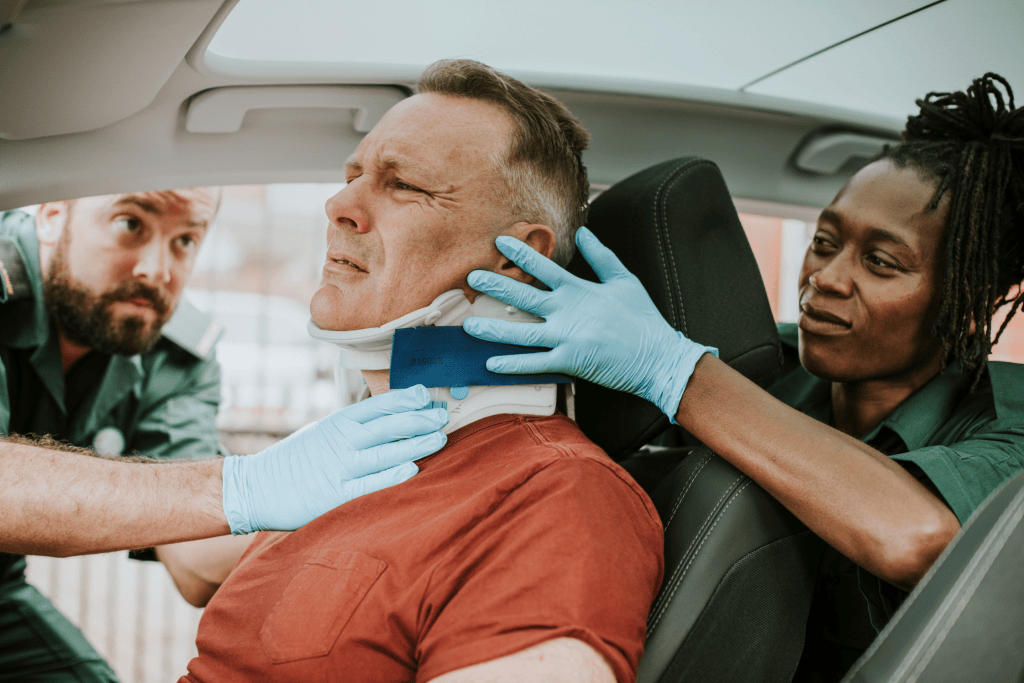
Two EMTs put a neck brace on a car accident victim who is behind the wheel before moving him for treatment of his injuries.

1 – Motor Vehicle Accidents

Motor vehicle accidents are the leading cause of NM personal injury claims. New Mexico consistently ranks at the top of lists of the worst drivers in the U.S.  

Swerving in and out of lanes without signaling. Barreling down I-25 at 20-plus miles per hour over the posted speed limit. Tailgating other vehicles and failing to stop for pedestrians in crosswalks.

We’ve all seen drivers engaging in these and other bad driving behaviors on New Mexico roadways.

When motorists drive with this kind of disregard for others, they can cause severe injuries to other drivers, their passengers, bikers, and pedestrians.

If you’ve been temporarily or permanently disabled due to someone else’s recklessness behind the wheel, contact a personal injury attorney to schedule a free case evaluation. They ensure your rights are protected and help you navigate the complex personal injury claims process to achieve the best possible outcome.

A man wearing a dress shirt and dress pants sits at the botton of the stairs at work, holding his back. He fell down the stairs.

2 – Slip and Fall Accidents

Right behind motor vehicle accidents as the most common NM personal injury claims are slips and falls. Property owners have a responsibility to maintain safe premises, which includes sidewalks, stairways, and other surfaces.

Slippery floors, uneven surfaces, and broken railings all are maintenance issues that can cause a serious injury.

Most slip-and-fall victims end up settling out of court. Working with a personal injury attorney is the most effective way to get a fair settlement.

Never try to negotiate with property owners, their legal counsel, or insurance companies for compensation of your injuries without first consulting an attorney. They have their client’s best interests in mind, not yours.

A judge's gavel and a medical stethoscope sit on a desk. A row of law books appears in the background.

3 – Medical Malpractice

Misdiagnoses. Medication mistakes. Surgical errors.

No one likes to think about these things happening to them when they receive treatment from a healthcare professional. Sadly, medical errors are now the third leading cause of death in the U.S., according to data from the National Institutes of Health.

Medical malpractice cases are tricky. They require a personal injury attorney who can carefully examine medical records, solicit expert testimony, and who has a thorough understanding of the applicable laws and regulations for these types of NM personal injury claims.

The interior of a car with red seats and two deployed airbags.

4 – Product Liability

Defective and dangerous products can cause you significant harm. Whether it’s a manufacturing defect or an engineering design flaw, when products don’t work as intended, consumers end up with serious – and life-threatening – injuries.

Under New Mexico’s negligence law, manufacturers and distributors of products have a duty of care in producing products. They are held accountable by the courts when they fail in this responsibility and consumers end up with debilitating injuries.

One of the most recent examples of a product liability case filed in New Mexico is Gurule et al v. Nissan Motor Co., Ltd. et al. The product liability suit alleges that roof and seat belt defects in an Infiniti QX4 contributed to the death of a motorist.

Product liability cases are complex and require the expertise of a NM personal injury attorney experienced in product liability laws and regulations.

A worker wearing gloves and a uniform lays on the ground, with a hard hat that came off their head laying nearby.

5 – Workplace Accidents

New Mexico workers face risks on the job every day. Most accidents and injuries fall under the New Mexico Workers’ Compensation rules and statutes. Applying for workers’ compensation benefits is appropriate in these instances.

However, workplace accidents that happen from third-party negligence or a non-employer entity’s actions qualify for a personal injury claim in New Mexico.

For instance, if you’re injured by a careless driver while making a delivery for your employer, you have a right to file for workers’ compensation benefits, plus file a personal injury claim against the at-fault driver.

Another example is workplace violence. If you’re assaulted by a coworker, customer, or other third party while on the job, you have a right to sue for compensation from that person directly.

Preserve your rights to fair compensation

Navigating the NM personal injury claims process is daunting without the help of an experienced attorney. The legal team at The Law Offices of Bill Russell have more than a decade of experience handling these types of cases.

Reach out today to schedule a non-obligation case evaluation to discuss your rights.

New Mexico Personal Injury Claims: A Step-by-Step Guide

If you were hurt because someone else was careless, New Mexico law gives you the right to seek compensation. But the process has rules, deadlines, and insurance tactics that most people have never had to deal with before.

This guide walks through how a New Mexico personal injury claim works from start to finish, in plain language. Use the questions below to jump to what you need.

  • What is a personal injury claim?
  • What types of cases are most common in New Mexico?
  • Which New Mexico laws affect your claim?
  • What should you do after an injury?
  • How does a claim move from start to finish?
  • What special rules apply to government, medical malpractice, and wrongful death claims?
  • How does insurance work in New Mexico?
  • What compensation can you recover?
  • How do you choose and work with a lawyer?

What Is a Personal Injury Claim?

A personal injury claim is a request for compensation when someone else’s negligence, recklessness, or intentional conduct causes you harm. “Negligence” simply means someone failed to act with reasonable care, like a driver running a red light or a store ignoring a spill.

To succeed, an injured person generally has to show four things:

  1. Duty: the other party owed you a duty of reasonable care.
  2. Breach: they failed to meet that duty.
  3. Causation: their failure caused your injury.
  4. Damages: you suffered real losses, such as medical bills, lost income, or pain.

Most claims are resolved through the at-fault party’s insurance company. If a fair settlement cannot be reached, the claim can be filed as a lawsuit in civil court.

Common Types of Personal Injury Cases in New Mexico

Car and truck accidents

Car accidents are the most common injury claims in the state. Truck accidents involving commercial vehicles on I-25, I-40, and local roads often cause more serious injuries and can involve several responsible parties, such as the driver, the trucking company, and the company that loaded the cargo.

Slip and fall and premises liability

Property owners must keep their property reasonably safe for visitors. Slip and fall accidents and other premises liability claims can arise from wet floors, broken stairs, poor lighting, icy walkways, or inadequate security.

Dog bites

Dog bites can cause serious injuries, infections, and lasting scars, especially for children. Owners can be held responsible when they fail to control a dangerous animal.

Medical malpractice

When a doctor, hospital, or other health care provider fails to meet the accepted standard of care, patients may have a medical malpractice claim. These cases follow special rules, explained below.

Wrongful death

When negligence causes a death, the family may bring a wrongful death claim. New Mexico has specific rules about who can file and how any recovery is distributed.

Workplace injuries

Most on-the-job injuries are handled through workers’ compensation. If someone other than your employer caused the injury, such as a negligent driver or equipment manufacturer, you may also have a separate personal injury claim against that third party.

New Mexico Laws That Affect Your Claim

The deadline to file (statute of limitations)

Most personal injury lawsuits in New Mexico must be filed within three years of the injury (NMSA 1978, § 37-1-8). Wrongful death claims generally must be filed within three years of the date of death. Claims against government entities have much shorter notice requirements, covered below. If you miss a deadline, you can lose your right to recover entirely.

Pure comparative fault

New Mexico follows a “pure comparative fault” system, adopted by the New Mexico Supreme Court in 1981. You can still recover compensation even if you were partly to blame. Your award is simply reduced by your share of fault.

Example: if your damages total $100,000 and a jury finds you 20% at fault, you can recover $80,000.

Insurance companies know this rule well, which is why they often try to shift part of the blame to the injured person.

Several liability

When more than one party caused an injury, New Mexico generally makes each one responsible only for its own percentage of fault (NMSA 1978, § 41-3A-1). There are exceptions, such as intentional conduct and certain employer and agency relationships. Because each party usually pays only its share, it matters to identify every party who may be responsible early in the case.

What to Do After You Are Injured

  1. Get medical care right away. Your health comes first, and medical records are key evidence. Gaps in treatment are often used to argue that an injury is not serious.
  2. Report the incident. Call the police after a crash, or notify the property owner or manager after a fall, and ask for a copy of any report.
  3. Document everything. Take photos and video of the scene and your injuries. Save receipts and write down what happened while it is fresh.
  4. Get witness contact information before people leave the scene.
  5. Be cautious with insurance companies. You do not have to give the other side’s insurer a recorded statement. Learn about common insurance company tactics.
  6. Stay off social media about the incident and your injuries.
  7. Keep a recovery journal. Brief daily notes about pain, sleep, and activities you cannot do help show how the injury affected your life.

For a crash-specific checklist, see our guide on what to do after a car accident in New Mexico.

How a Personal Injury Claim Moves Forward

1. Free consultation and investigation

The first step is reviewing what happened and whether you have a claim. From there, the investigation begins: police reports, photos, video footage, witness statements, and medical records. Evidence such as security video can be deleted within days, so early action matters.

2. Medical treatment

Your job during this stage is to focus on getting better and follow your doctors’ advice. Most claims are valued after you reach maximum medical improvement, the point where your doctors can predict your long-term condition and future care needs.

3. The demand

Once your injuries and losses are documented, a demand package is sent to the insurance company. It explains how the injury happened, why their insured is responsible, and what your damages are.

4. Negotiation

The insurer reviews the demand and responds, often with a low first offer. Negotiations may go back and forth several times. Many claims settle at this stage.

5. Filing a lawsuit, if needed

If the insurer will not pay a fair amount, a lawsuit can be filed in court. Filing does not mean the case will go to trial. It opens up formal tools to gather evidence and often leads to better settlement offers.

6. Discovery, mediation, and trial

During discovery, both sides exchange documents and take sworn testimony, called depositions. Many New Mexico cases go to mediation, where a neutral mediator helps the parties try to reach an agreement. If the case still does not settle, it is decided at trial by a judge or jury.

Special Rules for Certain Types of Claims

Claims against the government

If your injury involved a city, county, or state employee, vehicle, or property, such as a city bus, a police vehicle, or a poorly maintained public road, the New Mexico Tort Claims Act applies. These claims have strict rules:

  • Written notice generally must be given within 90 days of the incident, or within six months for a death.
  • A lawsuit generally must be filed within two years.
  • The government can only be sued for certain types of conduct, and limits apply to the damages that can be recovered.

Because the notice deadline is so short, contact a lawyer right away if a government entity may be involved.

Medical malpractice claims

New Mexico’s Medical Malpractice Act sets special procedures for claims against qualifying health care providers. In many cases, a claim must first be submitted to the New Mexico Medical Review Commission before a lawsuit can be filed. These cases also require expert testimony about the standard of care and are subject to limits on certain damages.

Wrongful death claims

Under the New Mexico Wrongful Death Act, the claim must be brought by a personal representative appointed for that purpose, on behalf of the surviving family members the law identifies. The claim generally must be filed within three years of the date of death.

How Insurance Works in New Mexico

Minimum coverage is low

New Mexico requires drivers to carry at least $25,000 per person and $50,000 per accident in bodily injury coverage, plus $10,000 for property damage. A serious injury can easily exceed these amounts.

Uninsured and underinsured motorist coverage

New Mexico has a high number of uninsured and underinsured drivers. Uninsured/underinsured motorist (UM/UIM) coverage on your own policy can pay for your injuries when the at-fault driver has no insurance or not enough. Insurers must offer this coverage, and it can only be rejected in writing. A lawyer can review your policy to see what coverage is available.

Other sources of recovery

Depending on the case, compensation may also come from an employer’s policy, a business’s liability coverage, an umbrella policy, or another responsible party.

What Compensation Can You Recover?

Depending on your case, damages may include:

  • Past and future medical expenses
  • Lost wages and lost earning capacity
  • Property damage, including diminished value to your vehicle
  • Pain and suffering, emotional distress, and loss of enjoyment of life
  • Punitive damages in cases involving malicious, willful, reckless, or wanton conduct

For a closer look, read our guide to damages in New Mexico personal injury claims.

Choosing and Working With a Personal Injury Lawyer

Questions to ask in a consultation

  • How many cases like mine do you handle?
  • Who will be my main point of contact, and how often will I hear from you?
  • How are fees and case costs handled?
  • What do you see as the strengths and challenges of my case?

How to help your own case

  • Follow your treatment plan and keep your appointments.
  • Send your lawyer new bills, records, and letters from insurers as you get them.
  • Be honest about prior injuries and medical history. Surprises hurt credibility.
  • Do not discuss your case on social media or with the other side’s insurer.

Frequently Asked Questions

How long do I have to file a personal injury claim in New Mexico?

Generally three years from the date of the injury. Claims involving the government require written notice within 90 days and a lawsuit within two years.

Can I recover if I was partly at fault?

Yes. Under New Mexico’s pure comparative fault rule, your compensation is reduced by your percentage of fault, but it is not eliminated.

How long does a personal injury case take?

It depends on the injuries and whether the case settles. Some claims resolve within months after treatment ends. Cases that require a lawsuit can take a year or more.

Do most personal injury claims go to trial?

No. Most claims settle through negotiation or mediation. Preparing every case as if it may go to trial, however, often leads to better settlement offers.

What if the at-fault driver has no insurance?

Your own uninsured motorist coverage may pay for your injuries. Check your policy, and have a lawyer review it if you are unsure.

Should I accept the insurance company’s first offer?

Be careful. Early offers are often made before the full cost of your injuries is known. Once you sign a release, you generally cannot ask for more.

How much does it cost to talk to a lawyer?

The Law Offices of Bill Russell offers a free consultation to review your situation and explain your options.

Talk to an Albuquerque Personal Injury Lawyer

If you were hurt in New Mexico, The Law Offices of Bill Russell can help you understand your rights, meet every deadline, and deal with the insurance companies. Call (505) 218-7844 or contact us online to schedule a free consultation.

Not sure what your policy covers?

Attorney Bill Russell is a former New Mexico insurance agent who offers complimentary coverage reviews. Request a free coverage review →

This article is for general information only and is not legal advice. Every case is different. Reading this post does not create an attorney-client relationship.

NM Workers’ Compensation: Key Rights and Protections

NM workers’ compensation is a type of insurance that provides benefits to employees who are injured or become ill because of their jobs. Coverage for workers includes medical expenses, lost wages, and death benefits.

It’s important to understand your key rights and protections under the NM workers’ compensation law. You can contact an experienced attorney to help you file a claim and get the benefits you deserve.

In this blog, we highlight some of the most important features of the law, including:

What is workers’ compensation?

Worker’s compensation is a type of insurance that provides protection to employees who suffer work-related injuries and illnesses

. In New Mexico, workers’ compensation laws provide the framework that guarantees certain rights for workers and responsibilities for employers.

These safeguards defend you from retaliation by your employer, discrimination based on injuries or illnesses, and ensure the privacy and confidentiality of your medical records.

Understanding your rights and responsibilities helps you navigate the complexities of the process if you ever need it.

A construction worker and foreman walk through a construction site.
Injured workers have rights in New Mexico that include seeing the healthcare provider of your choice and receiving wage replacement benefits.

What are the key rights of injured workers?

Under the New Mexico Workers’ Compensation law, injured or ill workers have several key rights designed to protect their well-being. The law provides the necessary support needed during the recovery process and prevents retaliation from employers.

NM workers’ compensation laws provide the right to:

  • Choose a healthcare provider. You have the option to select your healthcare provider for treatment of your illness or injuries. Some restrictions and requirements apply. For instance, the healthcare provider must be licensed and authorized by the state’s worker’s compensation administration.
  • File a claim and seek legal representation. You can file a claim to seek benefits for your work-related injury or illness. You also have the responsibility to report your injury or illness to your employer. You must submit the necessary paperwork and provide supporting documentation to substantiate your claim.
  • Medical treatment and rehabilitation. If you’re injured on the job, you have a right to receive the necessary medical treatment to help you recover. Doctor visits, hospital stays, medications, physical therapy, and surgeries fall under this right.
  • Wage replacement benefits. Known as temporary disability benefits, these wages partially compensation for lost wages if your illness or injury prevent you from working for a period.

Make sure you understand and exercise your rights if you’re injured or become ill due to working conditions. The law is in place to ensure you receive the medical care, financial support, and legal assistance you need to recover.

What are the responsibilities of injured workers?

Employers aren’t the only ones who have responsibilities under the New Mexico Workers’ Compensation law. As an employee, you have obligations you must fulfill to be eligible for your benefits.

Make sure you’re meeting all 5 of these requirements.

  1. Reporting an illness or injury
    Ill or injured workers must promptly report their work-related condition to their employer. Reporting the incident as soon as possible ensures your employer is aware of the situation and can initiate the necessary steps to report the incident to the workers’ compensation administration.

  2. Seeking prompt medical attention
    You must seek immediate medical attention for your work-related illness or injury. Additionally, you’re required to follow the prescribed treatment plans and attend all medical appointments, rehabilitation sessions, and therapies recommended by your healthcare provider. If you fail to do any of these things, you may disqualify yourself for workers’ compensation coverage.

  3. Cooperating with the workers’ compensation process
    Providing accurate and truthful information about your injury or illness, medical history, and other relevant details is one of your responsibilities. You may need to provide documentation such as medical records and statements from coworkers to support your claim.

  4. Reporting changes in medical condition or work status
    It’s your responsibility to report any changes in your medical condition or status to your employer and the workers’ compensation insurance carrier. Updates on your recovery process, your ability to return to work, and any other significant changes fall under this responsibility.

  5. Returning to work when medically cleared
    You must return to work once medically cleared. The responsibility to inform your employer and make a good-faith effort to resume your job duties falls squarely on your shoulders. Failure to do these things makes you ineligible to receive benefits.
A warehouse worker pulls a flat cart full of boxes and other materials for storage. Two other workers stand off to the side taking inventory.
New Mexico workers are protected against discrimination from employers for filing a claim.

What are the key protections of NM workers’ compensation?

New Mexico’s workers’ compensation law provides 5 key protections to injured or ill workers. These safeguards ensure fair treatment throughout the claims process.

The 5 benefits include:

  • Protection against retaliation from your employer for filing a workers’ compensation claim. It’s illegal for employers to fire, demote, or otherwise discriminate against you solely based on you exercising your right to file a workers’ compensation claim.
  • Protection against discrimination from your employer based on your work-related injury or illness. You’re entitled to the same treatment, benefits, and opportunities as your coworkers in similar positions.
  • Protection of privacy and confidentiality for your medical records and other personal information required for processing a workers’ compensation claim. Employers, insurance carriers, and other parties involved in the claims process must maintain your privacy and confidentiality, ensuring sensitive information is not disclosed without proper authorization.
  • Protection from unfair settlements gives you the assurance you can’t be coerced or pressured into accepting less than desirable settlement terms. You have the right to consult an attorney before accepting any offers to prevent your employer from taking advantage of your situation.
  • Protection of benefits entitlements ensures you receive the benefits and entitlements to which you’re entitled under the law. Medical treatment, wage replacement benefits, and vocational rehabilitation are included.

These key protections under New Mexico’s workers’ compensation law ensure you’re treated fairly if you’re injured or become ill due to working conditions.

A doctor holds out both of his hands. In each hand is a different medication.
You must attend all medical appointments and follow treatment protocol to maintain your workers’ compensation benefits.

What is the process of filing a workers’ compensation claim?

Eight steps comprise the workers’ compensation claims filing process. You’re obligated to follow each of these steps under the NM workers’ compensation law.

Step 1 – Report the injury or illness

You must promptly report your injury or illness to your employer. In the case of work-related accidents that cause an injury, you must follow additional protocol.

Informing your employer as soon as possible that you’ve been hurt or become ill due to working conditions ensures your eligibility for workers’ compensation.

Put the notice in writing when possible. Include the date, time and nature of the illness or injury, plus any additional details relating to your case.

Step 2 – Seek medical attention

Seeking immediate medical attention bolsters your case if your employer tries to challenge your workers’ compensation claim. You have the right to visit the healthcare provider of your choice. Verify the medical professional treating you is authorized by the NN Workers’ Compensation Administration (WCA).

Step 3 – Complete and submit claim forms

You or your attorney must complete the necessary forms for receiving workers’ compensation. Among the forms you must file include the First Report of Injury (Form C-4).

Additional documents may be required by the state workers’ compensation administration. Information typically collected on the forms includes information about your injury or illness, your employer, and any medical attention received.

Step 4 – Notify the insurance carrier

Your completed claims form should be submitted to the workers’ compensation insurance carrier for your employer. Information about the carrier is provided by your employer directly or through the NM WCA.

Step 5 – Investigation and review

Once your claim is received by the insurance carrier, they begin to investigate it. The process can involve reviewing your medical records, statements, and other relevant documentation.

Sometimes insurance companies request you visit a medical provider of their choosing to provide a second opinion. If this happens, you have a right to seek legal advice before agreeing.

Step 6 – Claim acceptance or denial

Based on their investigation and review, the insurance company either accepts or denies your claim. If your claim is accepted, you’ll receive notification and benefits begin.

If your claim is denied, you have a right to file an appeal. Before doing so, consult with an attorney experienced in NM workers’ compensation law to improve your chances of success.

Step 7 – Mediation and dispute resolution

If there’s a disagreement or dispute between you and your employer’s insurance carrier about your claim, mediation or alternative dispute resolution methods may be used to resolve the issue.

Mediation is a voluntary process. A neutral third party acts as a mediator to help you reach a mutually-beneficial agreement.

Step 8 – Appeal process

Should mediation fail, the final step is the appeal process. You must submit an appeal to the NM WCA. There, an administrative law judge reviews the evidence from both sides and makes a ruling.

The appeals process isn’t the final step. If you’re still dissatisfied, you have the right to seek legal counsel to explore filing a workers’ compensation lawsuit.

A man holds his head in one hand and a document in the other. A look of shock is on his face as he reads the paper.
Never lie about the extent of your injuries. You can face criminal charges for trying to commit workers’ compensation fraud.

What are the penalties for non-compliance?

Failure to comply with NM workers’ compensation laws has consequences for employers and employees. The penalties were designed to encourage both parties to comply with the law to ensure the protection of workers.

Penalties for employers include:

  • Failure to provide coverage results in penalties and fines from the NM WCA. The WCA can initiate legal action against employers under certain circumstances.
  • Increased liability for employers who fail to comply with state workers’ compensation laws. Under this provision, employers can be held personally liable for your medical expenses, wage replacement benefits, and other costs.
  • Stop-work orders are issued by the WCA against employers who fail to comply with the law. Stop-work orders prevent employers from conducting business operations until they provide the necessary workers’ compensation coverage.

Penalties for employees include:

  • Fraudulent claims charges are possible against employees who knowingly file a false claim for benefits. You can face fines, be ordered to repay any benefits, and potentially face criminal charges.
  • Non-cooperation from workers includes the failure to provide requested information, refusing to undergo medical exams, or intentionally obstructing the investigation of a workers’ compensation claim. If you engage in this behavior, you can face denial of benefits or other penalties.

Get NM workers’ compensation help

Understanding the key rights and responsibilities under NM’s workers’ compensation system is crucial for employers and employees.

As an injured worker, you have the right to medical treatment, wage replacement benefits, and the freedom to choose your healthcare provider. If you fulfill your obligations and are still denied benefits, seek the expertise of an attorney skilled in workers’ compensation benefits law. They can help you get

5 Reasons for NM Worker’s Compensation Claims

NM worker’s compensation claims are filed for several reasons. Maybe you were hurt on the job or had an automobile accident during official travel while on the clock.

Work-related injuries and illnesses can devastate your life. They can strain you physically and financially. Worker’s compensation laws exist in New Mexico to alleviate the burden by providing the support you need.

In this blog, we discuss the 5 most common reasons for NM worker’s compensation claims, plus how you can get fair compensation for work-related illnesses and injuries.

1 – Assault or workplace violence

Assault or other workplace violence has unfortunately become more commonplace. According to the latest data from the U.S. Bureau of Labor Statistics (BLS), more than 20,000 workers in the private industry experienced trauma from nonfatal workplace violence.

There were nearly 400 workplace fatalities from incidents of violence according to the latest data from BLS.

Workplace violence includes harassment, physical assault, and verbal threats. You don’t have to tolerate this kind of behavior. Report it to your employer. However, if your employers fails to act and you become injured, you have rights.

If another worker starts a fight with you that causes injuries, you can seek compensatory damages from your employer and your coworker under NM worker’s compensation laws.

Survivors of workplace violence that causes fatalities can seek punitive damages in a wrongful death lawsuit in addition to filing for survivor’s benefits through worker’s compensation.

2 – Car Accidents During Work-Related Travel

If you’re among the roughly 30% of workers in this country who must drive while on the clock, you might find yourself the victim of an automobile accident. Driving on the clock is a common task for many employees, especially those who work in delivery, sales, and transportation roles.

Whatever the reason for being behind the wheel during working hours, you’re covered by NM worker’s compensation laws if you have an accident.

According to the National Safety Council, motor vehicle crashes are the leading cause of work-related fatalities in the U.S.

Your chances of getting hurt while driving for your job depends on several factors, including the type of job, driving conditions, and safety protocols in place. Driving long distances or in hazardous weather conditions increases the likelihood of an accident.

A hearing doctor examines a patient's ear using a special tool to determine hearing loss.
Hearing loss is common in workers who spend their days in loud environments.

3 – Illness caused by workplace conditions

Some workplaces expose employees to hazardous materials or environments that cause them to become ill or develop chronic health conditions. The type of illness varies depending on the industry and type of exposure.

Some of the most common work-related illnesses include:

  • Asbestosis is a chronic respiratory disease caused by inhaling asbestos fibers. Construction workers involved with building renovation are the most likely to suffer from this condition.
  • Hearing loss happens to employees exposed to high levels of noise for long periods. Construction, manufacturing, and transportation workers are the most likely to suffer from this condition.
  • Infection diseases are a hazard for healthcare workers and laboratory technicians who contact infectious agents like hepatitis and tuberculosis.
  • Lung cancer affects workers exposed to certain chemicals and substances on the job, including asbestos, benzene, and diesel exhaust.
  • Reproductive disorders can happen to workers exposed to certain chemicals and substances on the job, like lead and pesticides.
  • Silicosis happens to construction workers and miners who inhale large quantities of silica dust.
  • Skin conditions like dermatitis and eczema happen to workers exposed to hazardous chemicals or irritants on the job.

These are just a few examples of work-related illnesses that can happen to you if your job exposes you to hazardous working conditions. Consult with a NM worker’s compensation attorney if you believe an illness was caused by your work environment.

4 – Occupational diseases

Certain industries, like construction and mining, expose workers to harmful substances and conditions regularly. Workers can develop long-term illnesses or diseases from repeat exposure.

Some of the most common occupational diseases suffered by construction workers and miners include:

  • Black lung disease, also known as coal workers’ pneumoconiosis, is a lung disease caused by inhaling coal dust. Coal miners, power plant workers, and others exposed to coal dust are at risk for developing this occupational disease.
  • Mesothelioma is another lung disease caused by inhaling asbestos fibers. Construction workers and miners who work around materials containing insulation – cement pipes, roofing materials – are at an increased risk.
  • Musculoskeletal disorders happen more frequently to construction workers and miners. They include back injuries due to the physical demands of the job.
A worker operates a forklift in a warehouse. Machinery malfuctioning and accidents are common causes of NM worker's compensation claims.
Operating machinery like forklifts increases the risk of suffering a workplace accident.

5 – Work-related injuries

NM worker’s compensation claims are commonly filed for injuries sustained on the job.  Accidents, like slips and falls, and repetitive strain or overuse injuries, are among the most frequently cited complaints.

Some examples of work-related accidents that fall into this category include:

  • Burns can happen to workers who handle hot foods and liquids, flames, chemicals, and electrical currents while performing their work duties.
  • Machinery malfunctions and misuse can happen to workers who regularly use drills, forklifts, saws, and other heavy machinery to complete work tasks.
  • Repetitive motion injuries are common in workers who type all day, work on an assembly line, or use vibrating tools. They can end up with conditions like bursitis, carpal tunnel, and tendonitis.
  • Slips and falls can happen in any workplace where employees are exposed to slippery or wet surfaces. They can end up with broken bones, head injuries, and sprains.
  • Strains and sprains are most common in workers who lift heavy objects or complete physically- demanding tasks during their shifts.

Work-related injuries fall under worker’s compensation laws. If you’ve suffered one of the injuries listed above, reach out to a NM worker’s compensation attorney who can help you get fair compensation.

Help with NM worker’s compensation claims

Sometimes employers deny a worker’s compensation claim. If you’re injured or become ill because of your job, you have rights under NM worker’s compensation laws.

Request a free case evaluation with our firm to explore your options.

Office:
Monday – Friday: 9am to 6pm

Phone:
24/7