November 2026
M T W T F S S
 1
2345678
9101112131415
16171819202122
23242526272829
30  

Medical Evidence’s Role in Worker’s Compensation Claims

Medical evidence plays an important role in the successful outcome in worker’s compensation claims. It helps determine the extent of your injuries and provides evidence of your eligibility for benefits. The right kind of medical documentation props up your case by establishing a causal link between a work-related injury or illness and your job duties.

A workplace accident attorney knows medical evidence is essential in establishing your right to worker’s compensation benefits that include temporary or permanent disability. Choosing an attorney experienced in workplace compensation claims is the best way to determine:

How do you prove an injury happened at work?

Proving that an injury or illness happened at work is an important step in a worker’s compensation claim. It falls under the obligation of the employee as part of the burden of proof required for worker’s compensation claims.

Here are some ways you can validate an injury or illness happened on the job:

  • Report the injury or illness immediately. If you’re injured or begin to feel ill while on the job, it’s important to report it to your supervisor as soon as possible. Your employer must document your notification, which you can later use if there are problems obtaining worker’s compensation benefits.
  • Seek medical treatment. Don’t wait. Visit your doctor or an emergency room for treatment of your injuries immediately. Having your injuries or illnesses evaluated by a health professional lends to your credibility.
  • Document the accident. If your injury or illness happened after an accident at work, take photos of the accident scene, any equipment involved, and any visible injuries to yourself. Getting witness statements (when applicable) is also recommended.
  • File a worker’s compensation claim. Once you’ve been treated for your injuries or illness, file a worker’s compensation claim with your employer’s insurance company. Doing so triggers an investigation into your claim.
  • Consult a worker’s compensation attorney. Don’t wait until your employer challenges your worker’s compensation claim. Reach out to a workplace accident attorney to gather and present evidence that supports your claim.

What is the burden of proof for NM worker’s compensation claims?

In New Mexico, the burden of proof for worker’s compensation claims falls on the employee. You must show that your injury or illness happened while carrying out your job duties or while on the clock.

To meet the burden of proof in New Mexico, the employee must establish three things.

  1. The injury or illness happened because of their job.
    You must show that your illness or injury was caused by a specific work-related incident or a specific duty you’re required to carry out while on the job.
  2. The injury or illness happened during regular job duties.
    Were you doing something you’re required to do on the job, or did your illness or injury happen when you were engaged in another activity on work premises? If it’s the latter of the two, your employer may not be responsible for covering your treatment.
  3. The injury or illness is compensable.
    You must show that your injury or illness qualifies for compensation under worker’s compensation laws. New Mexico’s worker’s compensation system covers medical expenses, wage replacement, and other related costs.

Once your workplace accident attorney establishes these three elements, the burden of proof shifts to the employer or their insurance carrier to either prove the injury or illness isn’t compensable or is not related to your job duties.

A man carries packages from a van to a home he's delivering for an employer.
Commuting to and from work isn’t covered, but injuries while performing official work duties fall under worker’s compensation laws.

Which issues aren’t covered by worker’s compensation?

New Mexico’s worker’s compensation system is designed to provide benefits to workers who become injury or ill because of their job duties. However, there are some issues that aren’t covered. Here are some of the instances when you may not be covered by New Mexico worker’s compensation.

  • Intentional acts. If you’re injured by a supervisor or employee engaging in an intentional act, you may not qualify for worker’s compensation. In those instances, a civil lawsuit seeking compensatory damages from the other person may be more appropriate.
  • Self-inflicted injuries. If you intentionally injure yourself, and your employer can prove it, you’re not covered by worker’s compensation. Even worse, you might be criminally prosecuted if your intent was to commit worker’s compensation insurance fraud.
  • Injuries sustained while under the influence. If you hurt yourself or become ill on the job because you were under the influence of drugs or alcohol, your employer isn’t liable.
  • Commuting injuries. Your employer is only responsible to injuries you obtain if you’re making an official trip for them while on the clock. If you end up in an accident on your way to or from work, that doesn’t qualify for worker’s compensation.

Every worker’s compensation case is unique, which is why it’s important to discuss your circumstances with an experienced worker’s compensation attorney.

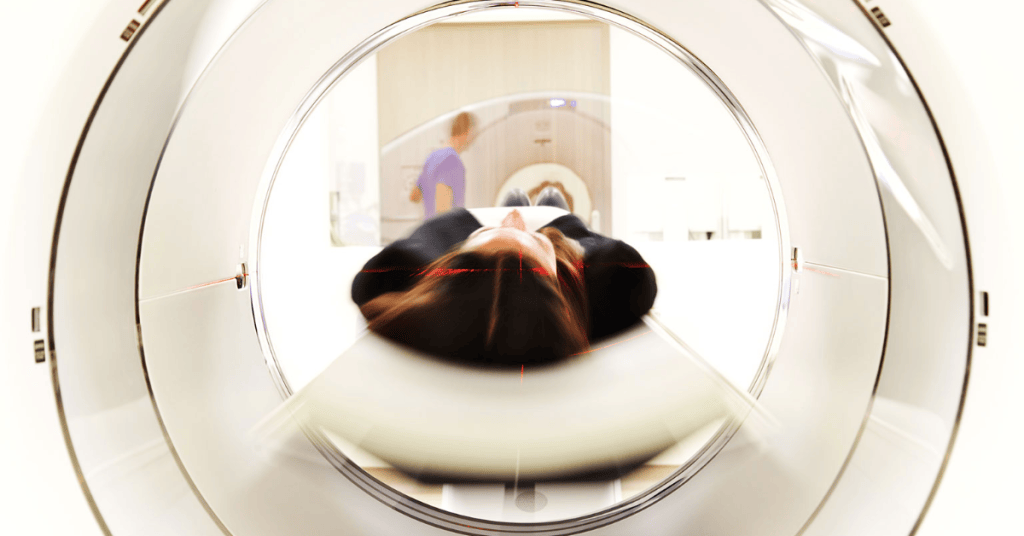
An MRI technician stands at the end of an MRI machine.
MRIs are considered medical evidence that can support your worker’s compensation claim.

Which documents are considered medical evidence?

Medical evidence is an important component of a worker’s compensation claim. It’s one of several pieces of documentation you’ll need to prove your case if your employer issues a challenge.

Some types of documents that fall into the medical evidence category include:

  • Diagnostic test results. CT scans, X-rays, MRIs, and other diagnostic tests can prove the extend and nature of the injury or illness.
  • Expert testimony. In some cases, expert testimony from medical professionals (physicians, rehabilitation specialists) can support your claim for benefits.
  • Medical bills. The cost of medical treatment and rehabilitation services can demonstrate the extent of medical expenses you incurred after your work-related injury or illness and support your claim for fair compensation.
  • Medical records. Physician notes, test results, and treatment plans support your claim of being injured on the job. They also can rule out pre-existing conditions employers sometimes try to use to deny your claim.
  • Vocational rehabilitation assessments. If you’re unable to return to your previous job because of work-related injuries, a vocational rehabilitation assessment determines your ability to perform alternative job duties.

Independent medical examinations – when ordered by your employer’s insurance carrier – also can be used to support your worker’s compensation claim if the findings match those of your medical provider.

How is medical evidence used in worker’s compensation cases?

Medical evidence determines the extent of your injury or illness and dictates the appropriate level of benefits you should be awarded under New Mexico’s worker’s compensation system. Medical evidence also is used to assess your ability to return to work and whether any vocational rehabilitation is needed.

As a rule, the primary purpose of medical evidence is to support your claim and ensure you receive the worker’s compensation benefits to which you’re entitled.

Boost your worker’s compensation claim success

Given the importance of medical evidence in worker’s compensation claims, it’s crucial that employees seek prompt medical attention after a work-related injury or illness. Working closely with an experienced workplace accident attorney ensures you receive the full benefits to which you’re entitled.

Contact us today to schedule your free case evaluation.

Avoid These Common Worker’s Compensation Claim Mistakes

Employees expect a safe and secure workplace. However, no matter how careful you are on the job, or the provisions your employer has in place, workplace accidents can happen to anyone at any time.

If you’re injured on the job, you may be eligible for worker’s compensation benefits. There are common mistakes that can derail your claim and limit your compensation.

In this article, we outline the 5 most common worker’s compensation claim mistakes and how a workplace accident attorney can help you avoid them.

1 – Failure to report the injury on time

One of the most common mistakes workers make is failing to report an on-the-job injury to their employer promptly. Taking too long to inform your employer about a workplace accident can risk losimg your right to claim worker’s compensation benefits.

All workplaces are required by the Occupational Safety and Health Administration (OSHA) to follow pre-determined standards for creating a safe workplace environment. OSHA guidelines also dictate employers must have a protocol in place for reporting and handling workplace injuries.

New Mexico Worker’s Compensation Guidelines

New Mexico statutes require your to report a work-related injury or illness to your employer within 15 days of an accident or when the injury or illness is first discovered. If you fail to meet these deadlines, you risk a denial of your worker’s compensation claim.

The New Mexico statute of limitations for filing a worker’s compensation claim with a workplace accident attorney is one year and 30 days to the date of the accident.

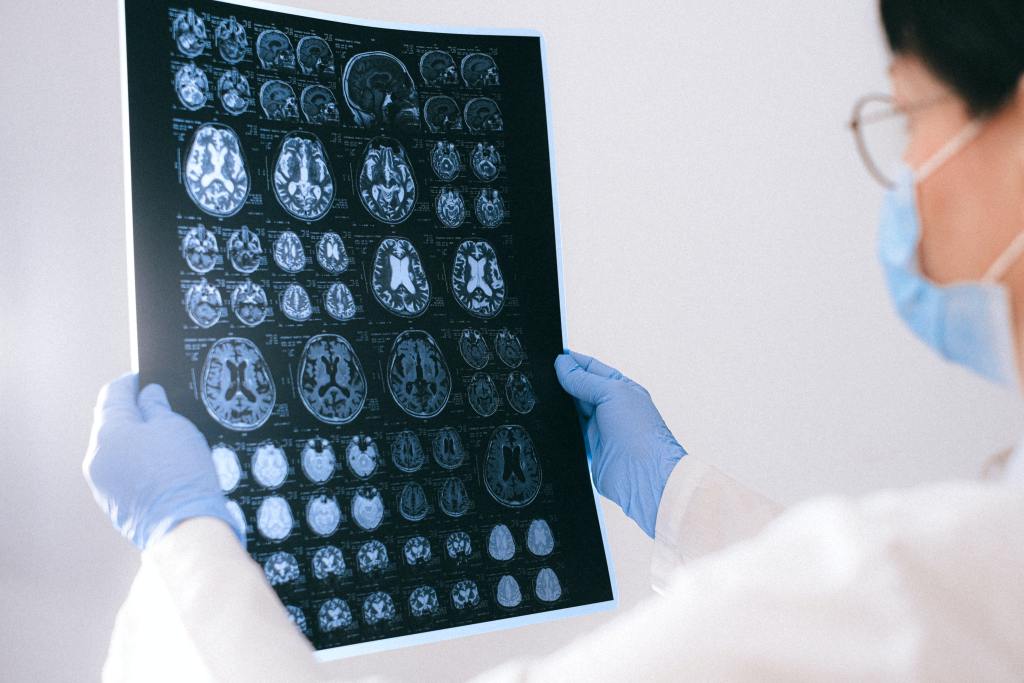
A doctor reviews a brain MRI. A workplace accident attorney can make sure you get medical documentation of your injuries.
Getting medical documentation like MRIs can help a workplace accident attorney support a worker’s compensation claim.

2 – Lack of medical documentation

Medical documentation is one of the most effective ways you can support your worker’s compensation claim. Many workers make the mistake of not immediately seeking medical attention after their injuries. Without the proper documentation, you may face challenges proving your injury happened at work.

A workplace accident attorney uses medical documentation to prove your case should you end up pursuing a legal claim against your employer.

Types of Medical Documentation

Medical documentation is crucial evidence to support your workplace injury claim. Some of the types of medical documentation you may need include:

  • Doctor’s notes about your condition, treatment plan, and any restrictions or limitations placed on you in the workplace.
  • Imaging reports such as CT scans, MRIs, and X-rays that provide evidence of the injury and validate the severity.
  • Medical reports are one of the most effective types of medical documentation to support your worker’s compensation claim. They should include the nature and extent of your injuries, any treatment you received, and an estimated recovery period.
  • Prescription records detail any medications your doctor prescribed for pain management or other treatment of your injuries.
  • Rehabilitation reports outline any physical therapy or other rehabilitative services a doctor recommended as part of your recovery.

3 – Not following doctor’s orders

After suffering a workplace injury, it’s important to follow your doctor’s orders. If you neglect a recommendation to attend physical therapy or take a certain medication during your recovery, an employer can use that to deny your worker’s compensation claim.

For instance, let’s say you slipped and fell on a wet surface that wasn’t clearly marked at work. You’re suffering from lingering low back pain and headaches. As part of your treatment, your doctor recommends attending physical therapy to regain mobility in your lower back and for pain relief.

If you decide you don’t want to attend physical therapy, your employer could use that information to assert your injuries weren’t severe. You may be denied fair compensation if you decide to file a claim later.

A man wearing an orange vest and hard hat directs the placement of a large piece of equipment in a factory. A workplace accident attorney can help you decide when to return to work after an injury.
Returning to work too soon after your injury can aggravate your condition and be used to deny worker’s compensation benefits.

4 – Returning to work too soon

Another common mistake workers make is returning to work too soon after their injury. Maybe they worry about the loss of income if they stay off-the-job too long. Some may think they feel well enough to go back to work.

Whatever the reason, if you return to work before you’re fully healed, you can aggravate existing injuries and jeopardize your right to worker’s compensation benefits.

Here are some warning signs it may be too soon to return to work after an injury:

  • You’re still experiencing pain or discomfort.
  • You’re feeling tired or fatigued.
  • You’re still taking pain medication regularly.
  • You’re still being medically treated for your injuries.
  • You’re struggling with limited mobility.
  • You’re not cleared by your doctor.

5 – Not seeking legal representation

When you get hurt on the job, the last thing on your mind is suing your employer. Most workers focus on getting care for their injuries. However, a workplace accident attorney can help you navigate the complex legal system to ensure you receive fair compensation for your injuries.

Even if you don’t think you might file a legal claim against your employer, a worker’s compensation lawyer can guide you through the process of filing a claim and documenting your injuries in case you change your mind later.

Avoid common worker’s compensation mistakes

Filing a worker’s compensation claim is complicated. You can avoid these 5 mistakes by seeking the help of a workplace accident attorney. They can make sure you report your injury promptly, seek medical attention, follow your doctor’s orders, and take the necessary time off work to heal.

Should you need to pursue additional legal action to protect your rights to fair compensation, they can prepare a solid case to ensure you receive fair compensation.

7 Insurance Company Tactics That Can Hurt Your Injury Claim

Insurance companies are businesses, and every dollar they pay on a claim is a dollar off their bottom line. After an injury, the adjuster may seem friendly and helpful, but their goal is to resolve your claim for as little as possible.

Here are seven common tactics insurers use, and what you can do to protect your New Mexico personal injury claim.

1. Asking for a Recorded Statement

Shortly after the incident, the other side’s adjuster may call and ask to record your account “for their file.” Innocent comments like “I’m doing okay” or “I didn’t see them coming” can be used later to argue that you were not hurt or were partly at fault.

What to do: You are not required to give the other driver’s insurer a recorded statement. Politely decline until you have talked with a lawyer.

2. Delaying or Denying the Claim

Some insurers drag out the process by asking for the same documents again or taking weeks to respond. Others deny the claim outright, hoping you will give up. Delays also push people toward accepting low offers when the bills pile up.

What to do: Keep a written record of every call, email, and letter. Respond in writing, and keep track of your filing deadline. In New Mexico, most injury lawsuits must be filed within three years.

3. Making a Quick, Lowball Offer

A fast offer can be tempting, especially if you are out of work. Early offers are often made before anyone knows the full cost of your injuries, including future treatment.

What to do: Do not sign a release until you know the full extent of your injuries. Once you sign, you generally cannot reopen the claim.

4. Requesting a Medical Exam With Their Doctor

The insurance company may ask you to see a doctor they choose. These exams are sometimes used to downplay your injuries or blame them on a prior condition.

What to do: Keep seeing your own doctors and follow their treatment plans. Talk with a lawyer before agreeing to an exam requested by the other side.

5. Watching Your Social Media

Adjusters and defense attorneys look at Facebook, Instagram, and TikTok. A single photo of you smiling at a family event can be taken out of context to argue that you are not really hurt.

What to do: Avoid posting about the incident, your injuries, or your activities while your claim is open. Read more in our article on how social media can hurt an accident claim.

6. Conducting Surveillance

In larger claims, insurers sometimes hire investigators to photograph or record injured people going about their day. The goal is to catch a moment that seems to contradict your injury.

What to do: Be honest with your doctors about what you can and cannot do, and follow their restrictions. Consistency protects your credibility.

7. Shifting the Blame to You

New Mexico uses pure comparative fault, which means your compensation is reduced by any percentage of fault assigned to you. Insurers know this, so they may argue you were speeding, distracted, or not watching where you were walking.

What to do: Preserve evidence early: photos, video, witness names, and the police report. Strong evidence makes it harder to shift blame.

Bonus: Pointing to Low Policy Limits

New Mexico’s minimum liability coverage is only $25,000 per person. An adjuster may say that is “all there is.” There may be other sources of recovery, such as your own uninsured/underinsured motorist (UM/UIM) coverage or other responsible parties.

Frequently Asked Questions

Do I have to talk to the other driver’s insurance company?

You may need to give basic information, but you are not required to give a recorded statement or sign medical authorizations for the other side’s insurer.

Can an insurance company act in bad faith?

New Mexico law requires insurers to deal fairly with their own policyholders. If your own insurer unreasonably delays or denies a valid claim, you may have additional legal rights.

When should I contact a lawyer?

The earlier the better, ideally before you give a recorded statement or accept an offer.

Level the Playing Field

The insurance company has adjusters and lawyers on its side. You deserve someone on yours. The Law Offices of Bill Russell helps injured New Mexicans deal with insurers and pursue fair compensation. Call (505) 218-7844 or contact us online for a free consultation.

Not sure what your policy covers?

Attorney Bill Russell is a former New Mexico insurance agent who offers complimentary coverage reviews. Request a free coverage review →

This article is for general information only and is not legal advice. Every case is different. Reading this post does not create an attorney-client relationship.

10 Most Common Airbag Injuries

Airbag injuries can happen any time you’re involved in an automobile accident. These safety features are meant to save lives, but sometimes they can cause debilitating injuries—even death—if they malfunction.

Front airbags have been required in all new passenger vehicles since 1999, according to the Insurance Institute for Highway Safety (IIHS). Side airbags aren’t mandated, but most vehicle manufacturers include them as part of the standard design.

Victims of airbag injuries have rights to fair compensation under personal injury laws in New Mexico. In this guide we’ll discuss:

How do airbags work?

Airbags work by providing cushioning and protection in the event of a collision. When a collision occurs, the airbag is deployed and instantly begins to fill with air. If it’s functioning properly, the airbag quickly deflates, providing cushioning for the front occupants of the vehicle.

Sensors tell the airbags when to deploy. These sensors are located throughout your vehicle. They constantly monitor the speed and force of the vehicle. When a collision happens, the sensors send a signal to the airbag control unit, triggering the airbags to release.  

Airbags are sophisticated, but that doesn’t mean they still can’t cause injuries.

airbag injuries benefits
Airbags have been required for drivers and front passengers since 1999.

What are the benefits of airbags?

Airbags have been around since the 1970s. Over the years, their design and performance have improved, making them a valuable safety feature. Most automobile insurance companies provide significant discounts on coverage if your vehicle has front and side airbags.

One of the biggest features of airbags is their ability to reduce your chances of hitting your head or upper body on the vehicle’s interior—including the steering wheel—during a crash. Air bags are designed to complement seatbelts, so make sure you’re using both to lessen your chances of injury during a car accident.

Besides preventing drivers and front-seat passengers from hitting their heads and upper bodies on the vehicle’s interior, there are other benefits. They include:

  • Airbags prevent you from being thrown out of the vehicle during a crash.
  • Airbags decrease the amount of force impacting your head by limiting the distance it can move forward.
  • Airbags increase the cushioning around your head, neck, and spine.
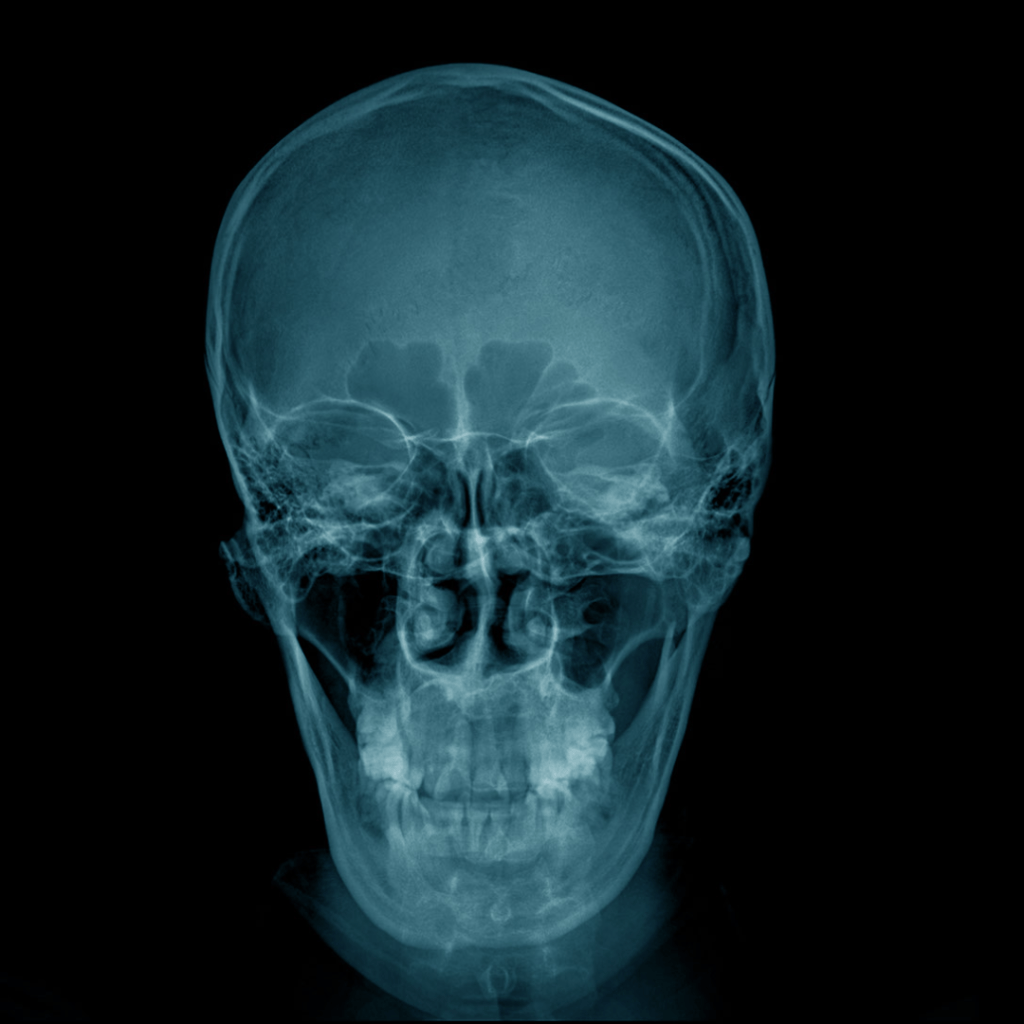
An Xray of a skull showing a traumatic brain injury, one of the most common airbag injuries.
One of the most common airbag injuries is traumatic brain injury from the impact of the airbag against your head.

What are the 10 most common airbag injuries?

Airbags are designed to save lives, but that doesn’t mean they always work as intended. Recalls for this safety feature have happened numerous times in recent years. One of the biggest airbag recalls involved the Takata PSAN model, which were installed in 34 brands of vehicles made by 19 different automakers and sold in the U.S.

Malfunctioning airbags aren’t the only reason a driver or passenger can get hurt. Even when they work properly, airbags still have the potential of causing injury. Here are 10 of the most common airbag injuries.

  1. Asthma attacks
    Asthma attacks and other respiratory issues aren’t uncommon when airbags release. That’s because airbags are filled with gasses that can trigger breathing difficulties, especially in those with pre-existing conditions.
  2. Burns
    Your arms, chest, face, and hands can get fabric “burn” as the airbag deploys and brushes hard against your skin.
  3. Chest injuries
    The impact of a deploying airbag can cause blunt force trauma injuries to your chest. If you have a heart defect or other cardiac condition, the impact can sometimes trigger it. The closer you sit to your steering wheel, the more likely you are to suffer from chest injuries.
  4. Ear trauma
    Hearing loss—temporary and permanent—can happen when an airbag releases. Air bags pack an acoustic pressure of 170dBs, which can produce harmful inner ear damage, according to the JAMA Network.
  5. Eye injuries
    You can experience eye injuries from airbags in one of two ways. The chemicals packed inside can get into your eyes during deployment, or they can succumb to the pressure of the airbag deployment.
  6. Facial injuries
    Bruises, fractures, and lacerations to the face aren’t uncommon during airbag deployment. You also might experience chemical burns to your face from the combination of nitrogen and carbon dioxide, which combine to form sodium hydroxide. If it penetrates your skin, it also can cause deep-tissue injuries.
  7. Fetal injuries
    Pregnant persons face a unique challenge when airbags are released. The brunt of the impact can hit their enlarged bellies, causing injury to the developing fetus. Safety experts recommend following the 10-inch rule if you’re pregnant and riding in a vehicle with airbags. Stay back from the area of deployment by at least 10 inches.
  8. Fractures
    The force of an airbag deploying can fracture your ribs, skull, and wrist bones. It can be difficult to prevent these kinds of injuries for drivers because these areas of their body are close to the steering wheel, where the airbag is stored.
  9. Internal bleeding
    Internal bleeding is always an issue following a car accident, whether your airbags deployed or not. Pressure from seatbelts also can lead to internal bleeds that may not be immediately apparent. This type of injury is most likely if your internal organs were impacted by the airbag. It’s always a good idea to get evaluated by a medical professional if you’re in a crash where the airbags were released.
  10. Traumatic brain injury (TBI)
    Airbags are designed to prevent TBIs by preventing your head from slamming against the steering wheel or dashboard of your vehicle. That doesn’t mean they’re foolproof. If your head rebounds forcefully from the impact with the airbag, you still might suffer a TBI.
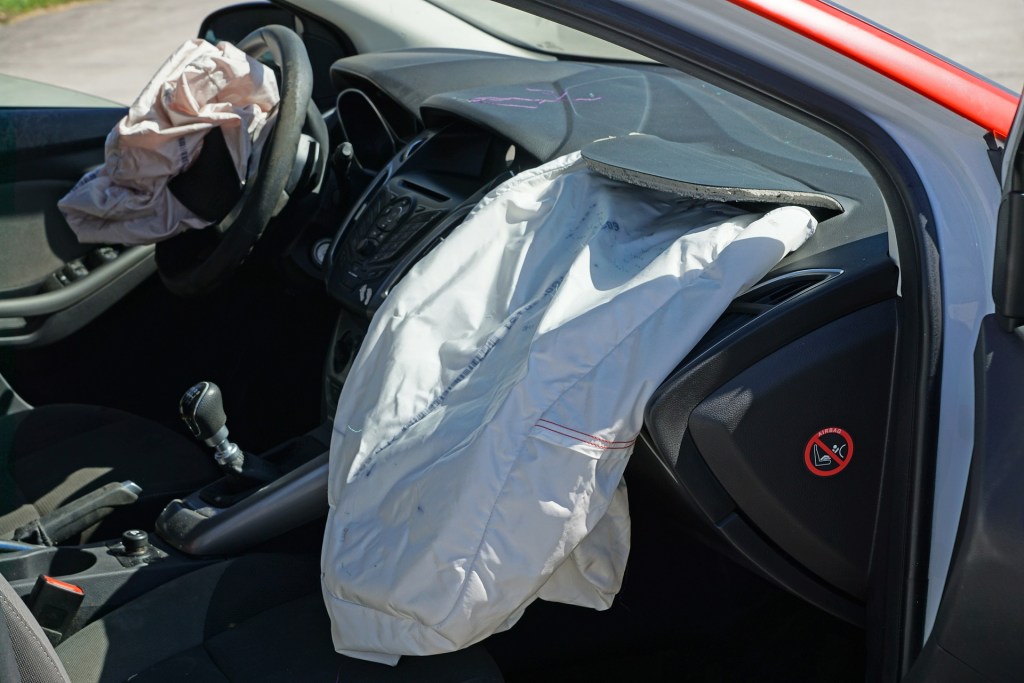
Photo of the dash of a car on the passenger side where the airbag is stored. The words airbag appear. Airbag injuries can happen during deployment.
Airbag injuries can happen when airbags malfunction and even if they deploy properly.

How do you prevent airbag injuries?

There are steps you can take to protect yourself from airbag injuries. Making sure you’re properly seated in your vehicle is the most effective safeguard. The National Highway Traffic Safety Administration (NHTSA) recommends drivers and front-seat passengers sit at least 10 inches away from airbags.

Pay attention to recalls on your vehicle. You can check for recalls using online tools that take your vehicle identification number or license plate number and run it against a list of known recalls.  

Get help for airbag injuries

Proving an airbag injury is an important part of filing a personal injury lawsuit. That’s why it’s important to consult with an experienced personal injury attorney in Albuquerque as soon as possible after an accident.

Even if you’re at fault for an accident that caused your airbag injuries, you still have legal recourse. Don’t wait until an insurance company denies your claim before reaching out to a personal injury attorney to discuss your rights.

Schedule your free case evaluation by calling 505-218-7844 or requesting an appointment online.

5 Reasons Insurance Companies Deny Injury Claims in New Mexico

Getting a denial letter from an insurance company after an injury is frustrating, especially when you are dealing with medical bills and time away from work. A denial is not always the final word, though.

Here are five common reasons insurance companies deny injury claims in New Mexico, and what you can do about each one.

1. The Insurer Disputes Who Was at Fault

The most common reason for a denial is a dispute about fault. The insurer may claim its policyholder was not responsible, or that you caused the crash or fall.

What you can do: Gather evidence that shows what happened, including the police report, photos, video, and witness statements. Remember that New Mexico follows pure comparative fault. Even if you were partly at fault, you can still recover a reduced amount.

2. The Insurer Says Your Injuries Are Not Serious, or Not Related

Insurers often argue that your injuries were minor, caused by something else, or existed before the incident. Gaps in treatment or a delay in seeing a doctor make this argument easier for them.

What you can do: Get medical care promptly, follow your doctor’s treatment plan, and keep your appointments. A pre-existing condition does not bar a claim. If the incident made a condition worse, that harm may be compensable.

3. Missing Information or Missed Deadlines

A claim may be denied because a form was incomplete, records were not provided, or a deadline was missed. Some deadlines, like the 90-day notice requirement for claims against government entities, are strict.

What you can do: Respond to insurer requests in writing, keep copies of everything you send, and track every deadline. In New Mexico, most injury lawsuits must be filed within three years.

4. Coverage Disputes

The insurer may say the policy does not cover the incident. Examples include claims that the driver was not listed on the policy, the vehicle was being used for business, the policy had lapsed, or an exclusion applies.

What you can do: Ask for the specific policy language the insurer is relying on. Coverage questions can be complex, and other policies, such as your own uninsured motorist coverage, may still apply. Read our post on the pitfalls of minimum limits coverage.

5. Statements or Social Media Used Against You

A recorded statement given too early, or a social media post that seems to show you active, can be used to justify a denial or a low offer.

What you can do: Decline to give the other side’s insurer a recorded statement until you have talked with a lawyer, and stay off social media about your injuries. See our article on insurance company tactics.

Your Rights Under New Mexico Insurance Law

New Mexico’s Insurance Code prohibits unfair claims practices (NMSA 1978, § 59A-16-20). Among other things, insurers must:

  • Respond reasonably promptly to communications about claims
  • Conduct a reasonable investigation before denying a claim
  • Try in good faith to reach prompt, fair settlements when liability is reasonably clear
  • Explain the basis for a denial or a compromise offer

When an insurer violates these rules, the people affected may have additional legal remedies. You can also file a complaint with the New Mexico Office of Superintendent of Insurance.

What to Do After a Denial

  1. Get the denial in writing, including the specific reason.
  2. Request a copy of the policy and any provisions the insurer cites.
  3. Do not give up or sign anything without understanding your options.
  4. Keep gathering evidence and medical records.
  5. Talk to a lawyer about whether the denial can be challenged or whether a lawsuit is needed.

Frequently Asked Questions

Can I still file a lawsuit if the insurance company denied my claim?

Yes. A denial from the insurer does not decide your legal rights. If the claim cannot be resolved, a lawsuit can be filed against the at-fault party within the deadline.

Does a lowball offer count as a denial?

Not technically, but a very low offer can have the same effect. You do not have to accept it.

What if my own insurance company denied my claim?

Your own insurer owes you a duty of good faith and fair dealing. An unreasonable denial by your own insurer may give rise to additional claims.

Claim Denied? Get a Second Opinion.

The Law Offices of Bill Russell helps injured New Mexicans challenge unfair denials and pursue fair compensation. Call (505) 218-7844 or contact us online for a free consultation.

Not sure what your policy covers?

Attorney Bill Russell is a former New Mexico insurance agent who offers complimentary coverage reviews. Request a free coverage review →

This article is for general information only and is not legal advice. Every case is different. Reading this post does not create an attorney-client relationship.

Nothing Says Merry Christmas Like a Lawsuit

Holiday shopping? Check.

Buying all the ingredients for a holiday feast? Check.

Inviting friends and family over to celebrate? Check.

Hiring a personal injury lawyer? Say what, now?

The holiday season traditionally is a time for giving gifts, eating too much, and spending plenty of time with your loved ones. Sometimes, though, holidays can bring out the grinch in people. Encountering one of these individuals can bring the wrong kind of gifts to your holiday celebration – lawsuits.

Other times, you may find yourself injured because of someone else’s carelessness or negligence during the holidays. In that case, you may need to pursue a personal injury lawsuit against the responsible parties.

Here are some of the most common lawsuits filed during the holiday season and what you can do if you find yourself needing the services of an Albuquerque personal injury attorney this holiday season.

Christmas lawsuit car accident
Car crashes are one of the biggest contributors to holiday personal injury lawsuits.

Automobile accidents

AAA expects roughly 102 million Americans to drive to their holiday destinations this year. Your chances of getting into an automobile accident increase when there are more drivers on the roadways. Albuquerque is known for having some of the most dangerous roadways in the country. Whether you’re traveling 2 miles down the road to get that jar of gravy you forgot for your meal, or you’re driving 40 miles to grandma’s house, all it takes is one reckless driver to ruin your holiday.

If you become the victim of careless driving, protecting your rights is critical. Never agree to talk to insurance companies or attorneys for the at-fault party without first consulting an Albuquerque personal injury lawyer. Saying or doing the wrong thing can mean the difference between receiving fair compensation for your injuries and getting cheated by insurance and legal representatives protecting their client’s bottom line.

Christmas lawsuit office parties
Office parties can end in personal injury lawsuits, especially when alcohol is involved.

Holiday party injuries

‘Tis the season for holiday parties. Company parties can be lawsuits waiting to happen under certain conditions. Providing an open bar for employees is one of them.

Drunk individuals make poor choices that can include getting behind the wheel. If you serve alcohol as part of your holiday festivities at the office, do so knowing you’re liable if someone overindulges and causes a serious accident later while driving drunk.

Holiday party injuries don’t have to be limited to someone making the decision to drive drunk. People who have had too much alcohol become uncoordinated. It becomes more difficult for them to think and move at the same time. They may end up falling and getting seriously injured or causing injury to another party-goer. Again, your company may be liable for a personal injury lawsuit in these situations.

Eliminating or restricting alcohol at company parties is a smart move to protect yourself from personal injury lawsuits in Albuquerque.

Christmas lawsuit slips and falls
Slips and falls can ruin any holiday celebration and lead to holiday lawsuits.

Slips and falls

Slips and falls are other common injuries during the holidays. They can happen if the weather turns cold and a property owner fails to properly treat their sidewalks and driveway. Guests also can get hurt by tripping hazards in your home or business, including holiday decorations, cords for outdoor lights, and even toys opened and left lying around.

You can protect your home or business from personal injury lawsuits by ensuring all public areas are hazard-free. Keep outdoor areas safe by shoveling and salting (if necessary).

Unfortunately, this time of year can bring out scammers looking to cash in on slip-and-fall personal injury lawsuits. If you think you’re the victim of such a scam, it’s important to reach out to an Albuquerque personal injury lawyer who can assess the situation and help you determine the best steps to protect yourself.

Rely on experienced personal injury lawyers

If you’re the victim of someone else’s negligence this holiday season, you have recourse. Contacting an experienced personal injury attorney in Albuquerque is the first step you should take to protect your rights.

Bill Russell knows the ins and outs of personal injury law in Albuquerque. He can evaluate your case and make suggestions for the most effective strategy for receiving fair compensation. Reach out today to schedule your free consultation.

Hurt During the Holidays? We Can Help.

Holidays are supposed to be filled with good tidings for comfort and joy. Sometimes, though, they can be filled with trips to the emergency room for treatment from holiday injuries. No one likes to think about getting hurt during the holidays, but it can happen when people engage in careless or negligent behavior.

Instead of spending time with family and friends, you can find yourself the victim in a personal injury claim. Holiday activities like decorating the exterior of your house and enjoying a family ski trip come with the risk of accidents and injuries.

Learn about some of the most common causes of personal injuries during the holidays, and what you can do to secure fair compensation if you fall victim this holiday season.

Common personal injury #1 – burns

Holidays mean spending time with family and friends. Most of the time, these get-togethers involve food. Burns from cooking accidents are one of the most common personal injuries during the holidays. Whether you’re deep-frying a turkey or retrieving roasted chestnuts from an open fire, the potential for serious burns exists.

It’s not always the host who ends up getting burned. If you’re a guest at someone’s home and you suffer burns because of improperly maintained firepits or fireplaces, you have a right to seek fair compensation for your injuries.

Hanging holiday lights without help can land you in the emergency room.

Common personal injury #2 – falls (and slips)

‘Tis the season for slips and falls. Sometimes these kinds of holiday accidents are because of your own carelessness. Maybe you climbed up a ladder to hang Christmas lights without someone there to help you and suffered a fall. It happens.

However, there are times when you can get seriously hurt on someone else’s property because they failed to properly maintain it during icy and snowy conditions. Icy driveways, sidewalks, and other walkways lead to roughly 3 million slip and fall injuries each year. You have rights if your holiday get-together is ruined because of your host’s poorly-maintained property.

Common personal injury #3 – respiratory injuries

Wintertime is a popular time for indoor fires. Who doesn’t enjoy sitting by a warm fire – natural wood or natural gas – while sipping a cup of hot chocolate with marshmallows and snacking on some holiday cookies?

That picturesque holiday scene quickly can turn into a respiratory injury if the fireplace is improperly configured or otherwise malfunctioning. Carbon monoxide inhalation causes more than 50,000 visits to the emergency room each year in the U.S. If you end up listed among the statistics, follow up with a personal injury lawyer to discuss your rights.

Car crashes are among the most common ways people get hurt during the holidays.

Common personal injury #4 – traffic accidents

Families travel during the holidays. Whether that’s just down the road to grandma’s house, or three states away for a holiday ski trip with your immediate loved ones, chances are you’ll be among the 109 million Americans traveling this holiday season.

All it takes is one careless driver to cause life-threatening injuries. You or your loved ones can suffer temporary or permanent disability – even death – if you encounter the wrong drivers during your holiday travels.

Car accident victims have a right to file personal injury claims in New Mexico. You have up to three years from the date of the accident to pursue fair compensation for your injuries.

Common personal injury #5 – winter sports accidents

Skating, skiing, sledding, snowboarding, and snowmobiling are just a few of the winter sports people enjoy together during the holidays. It can be easy to get injured doing any of these activities if you end up the unsuspecting recipient of faulty equipment.

If you end up hurt because of third-party negligence, you should speak with a personal injury attorney right away. They can help you secure fair compensation for your injuries.

Seek help for holiday personal injury claims

When you’re injured through no fault of your own during the holidays, it’s important to protect your rights. You’re not required to speak with attorneys or insurance companies representing the at-fault party. Never agree to a settlement without first consulting with an experienced personal injury attorney.

Bill Russell vigorously defends the rights of personal injury victims in Albuquerque and throughout New Mexico. Schedule a free case evaluation with him to review your personal injury case today.  

5 Tips for Safe Thanksgiving Travel

If you’re among the nearly 55 million Americans hitting the road this Thanksgiving holiday, you’re going to experience some crowded roadways. Taking a road trip of more than 50 miles always comes with challenges. Preserving your safety (and that of your passengers) is priority number one.

America’s roadways become more dangerous every year. Americans have a 1 in 63 chance of getting into a car accident.

There are things you can do to minimize the risk. Following these 5 tips for safe Thanksgiving travel can get you to your destination so you can enjoy the holiday with your family and friends.

Eating while behind the wheel can cause you to have a serious accident.

#1 – Avoid distracted driving

Distracted driving contributes to 9 percent of all fatal automobile accidents in the U.S. Another 15 percent of distracted driving crashes cause significant injuries. From eating while driving to talking or texting on your cell phone, turning your attention away from your driving for even a few seconds can have disastrous results.

The longer your travel time before arriving at your destination, the more tempted you can be to multitask behind the wheel. However, it’s not worth the risk to your safety and of others on the roadways.

If you must use your cell phone, pull off the road in a safe place. Never try to eat while driving, even if you think it can save you time on the roadway. Even if you order takeout, pull over and take the time to eat it before getting on your way again.

#2 – Don’t speed

Speeding is the number one factor in a third of all fatal accidents each year, according to the National Highway Transportation Safety Administration (NHTSA). It can be tempting to drive above the recommended speed limit, especially if you are worried about being late for a family gathering or other holiday event.

It’s better to arrive late than not at all, so resist the temptation to go faster than is safe for the road conditions. At a speed of 60 miles per hour, it takes roughly 140 feet to come to a full stop after hitting the brake. Be sure to follow the speed limit and practice following a safe distance from the vehicle in front of yours.

“Drinksgiving” is the Wednesday before Thanksgiving, which is a popular time to drink in the U.S.

#3 – Never drive under the influence

The Wednesday before Thanksgiving has become known as “Blackout Wednesday” – or “Drinksgiving” – because of its popularity for alcohol consumption. Traveling during this period can increase the likelihood of sharing the roadways with drunk drivers.

If you plan to celebrate Wednesday evening, drink responsibly by not getting behind the wheel of your car. Also, never get into a car with someone who is planning to drive after drinking. Make alternative arrangements like hailing a cab or using a ride share service.

Avoid impaired drivers when possible if you encounter them on the roadways. Note the make and model of their vehicle (and license plate if possible) and call 911 to report them so the police can get them off the roadways.

#4 – Practice some patience

No one likes to get stuck in traffic, especially when traveling for the holidays. The likelihood of experiencing heavy traffic and delays on your journey is high during the Thanksgiving holiday. Practicing some patience can help avoid incidents of road rage.

If you encounter another driver experiencing road rage, call 911 immediately. Never try to engage with the person, especially if their anger seems directed toward you.

Take frequent breaks when driving long distances to prevent drowsiness.

#5 – Take frequent breaks

Traveling long distances can make you tired mentally and physically. Taking frequent breaks can help prevent drowsiness behind the wheel, which leads to 100,000 crashes, 71,00 injuries, and 1,500 fatalities each year on U.S. roadways.

If you’re traveling with a passenger of legal driving age, take turns behind the wheel. Never rely on caffeinated beverages to give you the stamina to keep going if you’re becoming tired. Caffeine provides a temporary energy boost but is not a long-term replacement for proper rest.

Protecting your rights in a traffic accident

If you’re the victim of a careless driver during the Thanksgiving holiday, you have rights. It’s important not to make a mistake after an accident that can limit your ability to sue for fair compensation.

Contacting a personal injury lawyer in Albuquerque is one of the first steps you should take to protect your rights after a traffic accident. Never talk to the insurance company for the at-fault driver or agree to any kind of settlement without first speaking to a personal injury attorney.

5 Hidden Injuries from Car Accidents

Hidden injuries from car accidents can cause debilitating symptoms for crash victims. It’s one of the many reasons why you should get checked by a medical practitioner following an auto collision. Self-checks – including medical evaluations by emergency medical technicians at the scene – can miss these hidden injuries.

You may be lulled into a false sense of security, thinking you’re fine when you have concealed trauma. Those injuries might not become physically obvious for hours, days, or even weeks after an accident.

Even after a minor fender-bender, consider visiting a local emergency room or your primary care doctor for a thorough examination. It may seem like an overreaction, but a medical professional familiar with hidden injuries from car accidents is more likely to spot any of these serious conditions.

1 – Internal injuries

Airbags and seatbelts save lives during car accidents. However, they can cause some hidden injuries in the process. These safety devices accomplish the greater task of preserving your life by holding you in your seat. Depending on the force of impact during the collision, the restraint can cause extensive trauma to your internal organs.

The pressure from your seatbelt can cause internal bleeding, which is life-threatening. You may not have any immediate symptoms, so it can be easy to think you’re fine when you’re not.

Some of the warning signs of internal bleeding include:

  • Abdominal pain.
  • Chest pain.
  • Dizziness.
  • Low blood pressure.
  • Numbness in the extremities.
  • Severe headache.
  • Weakness on one side of your body.
  • Vision problems.

Get to an emergency room immediately if you have any of these symptoms in the hours or days after a car crash. You could be dealing with a hidden injury.

hidden injuries car accidents neck injury
Whiplash can be a common hidden injury in car accidents. It can take days to surface sometimes.

2 – Neck injuries

Whiplash can be common among car crash victims. During a collision, the force of impact creates a whipping action between your head and neck. Whiplash causes soft tissue damage that might not be immediately detected.

If in the days following a car crash you begin to experience these signs or symptoms, it’s a good idea to get checked by a medical practitioner:

  • Dizziness.
  • Headaches.
  • Neck pain and stiffness.
  • Tenderness in your arms, shoulders, or upper back.
  • Loss of range of motion in your neck.

Treatment can include physical therapy and pain management techniques to resolve whiplash sooner.

3 – Posttraumatic Stress Disorder (PTSD)

While not a physical injury, posttraumatic stress disorder, or PTSD, can happen after a car accident. It’s a hidden psychological injury that can sometimes get overlooked.

Depending on the severity of the crash, victims can be left traumatized by what they’ve witnessed. PTSD can be more common in automobile accidents with fatalities.

It can take days or weeks for PTSD to surface. If you begin to experience any of these symptoms after a car crash, it’s time to see a mental health expert:

  • Anxiety
  • Depression
  • Flashbacks
  • Nightmares
  • Phobias

4 – Soft tissue damage

You may not be thinking about your ankles, back, feet, or knees after a car accident, but they can be the location of soft tissue damage that cause pain or mobility issues later. Other places that can experience soft tissue injuries are your elbows, shoulders, and wrists.

It might take a few days for soft tissue damage from a car accident to surface, but when it does, you can experience any of the following symptoms:

  • You can’t bear weight on the injured area.
  • You experience joint instability.
  • You have knots or lumps at the injury site.
  • You have limited range of motion.
  • You have muscle cramps or spasms.
  • You have swelling at the injury site.

Call your doctor right away if any of these signs surface after a car accident. They may prescribe pain management strategies that include medications and physical therapy.

TBI hidden injuries car accidents
TBIs are among hidden injuries from car accidents. TBI can only be detected with a CT scan or MRI.

5 – Traumatic Brain Injury (TBI)

Brain injuries can be scary. They also can be common after a serious car crash. Whiplash, which we mentioned earlier, can cause concussions and TBIs that go unnoticed at first. If you lose consciousness during a crash, you should automatically be evaluated for brain injuries.

However, it’s possible to get a concussion or a TBI without losing consciousness. Symptoms of concussion and TBI that signal it’s time to get a medical evaluation include:

  • Confusion
  • Dizziness
  • Headache
  • Memory loss
  • Nausea
  • Tinnitus (ringing in the ears)

It can be difficult to tell the difference between a concussion and TBI because they share some common symptoms. TBI has lasting cognitive effects that impact daily living. If you start to have any of these symptoms, it could be a warning that you’re suffering from a hidden TBI:

  • A decreased awareness of yourself and others.
  • A failure to follow multiple-step directions.
  • An inability to understand abstract concepts.
  • A shortened attention span.

CT scans and MRIs are the only way to determine if you have hidden brain injuries from a car accident.

How to handle hidden injuries from car accidents

Seeking medical attention right after a car accident can help identify hidden injuries. It also can provide valuable documentation needed if you decide to file a personal injury claim against the at-fault party.

Car crash victims should consult with a personal injury attorney experienced in handling hidden injuries from car accidents to ensure their rights are protected.

Avoid These 5 Mistakes After an Accident

No one starts their day off expecting to get into an automobile accident. Most people go to great lengths to avoid it by practicing safe driving techniques behind the wheel. Despite your best laid plans, all it takes is one careless driver to turn an otherwise pleasant outing into a serious crash.

Albuquerque has a lot of busy roadways, including the infamous “Big I” intersection of I-25 and I-40. It’s one of the most dangerous intersections in the country because of the amount of traffic that travels through there each day.

If you’re unfortunate enough to be in an accident anywhere in New Mexico, it’s important not to make these 5 common mistakes as a car crash victim. If you do, it can affect the outcome of a future personal injury lawsuit should you suffer long-term effects from the accident.

mistakes after accident call police
Calling the police ensures you get an accident report that lists the at-fault party.

Mistake #1: Not calling the police

When an accident is serious enough to cause injuries and disrupt the normal flow of traffic, the police must be called to conduct an official report and direct traffic if necessary. Even if you aren’t seriously injured (or don’t think you are at the time), it’s important to still contact the police to come and provide a written report of the accident.

The police can conduct an official investigation and create an accident report that details who was at fault in the accident. Official police reports can be valuable supporting evidence if you later file a personal injury lawsuit in Albuquerque or anywhere else in New Mexico.

accident mistakes witness information
Failing to get witnesses’ contact information can hurt your personal injury claim.

Mistake #2: Not getting witness information

Getting the contact information for any witnesses to an accident is another reason to call the police to the scene. Police officers can talk to witnesses and make note of how to find them in the future should they need further information.

Your personal injury attorney can use crash witnesses to pursue a personal injury claim in Albuquerque. Witness statements and testimony can be particularly useful if there is a question about who was at fault. Without witnesses to back up your claims, the at-fault party’s insurance company can create a narrative that puts you fully or partially at fault for the accident.

Mistake #3: Failing to get a crash report

Remember when we said it was a good idea to call the police to the scene of an accident, even if you don’t think you’re seriously hurt?  It doesn’t do you much good to have the police investigate and file a report if you forget to get a copy of that report.

Most police departments provide both parties with a summary of the accident report on the scene. At the very least, they’ll give you their card so you can contact them or their department later.

If you’ve forgotten to get a police report for your accident, let your personal injury attorney know right away. They can reach out to the police to review the report and ensure all information contained in it is correct.

Mistake #4: Failing to seek immediate medical attention

Even if you think you’re OK after an accident, it’s important to be checked out by a medical professional. You could have a hidden injury that takes a few days to surface. Among the most common include:

  • Concussions.
  • Herniated disks.
  • Internal bleeding or damage to internal organs.
  • Soft tissue injuries to ankles, elbows, feet, knees, and shoulders.
  • Whiplash.

If you have a serious hidden injury like a Traumatic Brain Injury (TBI) or internal bleeding, those conditions can become life-threatening if misdiagnosed or ignored.

Getting a medical evaluation right after the accident also can help in a personal injury claim. It provides supporting evidence of your physical trauma that can be used by a personal injury attorney to seek fair compensation for your injuries.

car accident victim personal injury attorney call
Calling a personal injury lawyer as soon as possible after an accident can help crash victims protect their rights.

Mistake #5: Failing to call a personal injury attorney immediately

Accident victims can sometimes make the mistake of trusting the insurance companies – theirs and the at-fault party’s – of doing the right thing after an accident. Insurance companies sometimes lowball accident victims with settlement offers that require you to sign away your rights to pursue additional compensation later.

Never talk to an insurance company or agree to a settlement without first talking to an experienced personal injury attorney. Your attorney serves as your official negotiator and can determine if it’s in your best interest to accept a settlement or push for additional compensation.

How a personal injury attorney can help

Consulting with a personal injury attorney in Albuquerque can help crash victims avoid these five common mistakes. Bill Russell has represented injured people and their families for years throughout the state of New Mexico. He goes the extra mile to stand up for automobile accident victims, ensuring they receive fair compensation for their injuries.

Book a free case evaluation with Bill and the team at The Law Offices of Bill Russell Law today to get started.

Office:
Monday – Friday: 9am to 6pm

Phone:
24/7